Battery Recycling: Efficient and Necessary
Most people that have lived through the dot-com boom and witnessed the rapid progression of technological gadgets, likely have a special place in their home (just in case). For some this might be home to a box of chords, adapters or a second hand cellphone. However, many will have their entire collection of technology, the earliest Nokia’s, some vintage iPod nano’s and a few smartphones. All these devices are battery powered and the materials needed to produce new batteries are scarce. Battery recycling offers an efficient alternative to transform your attic into a miniature mine.
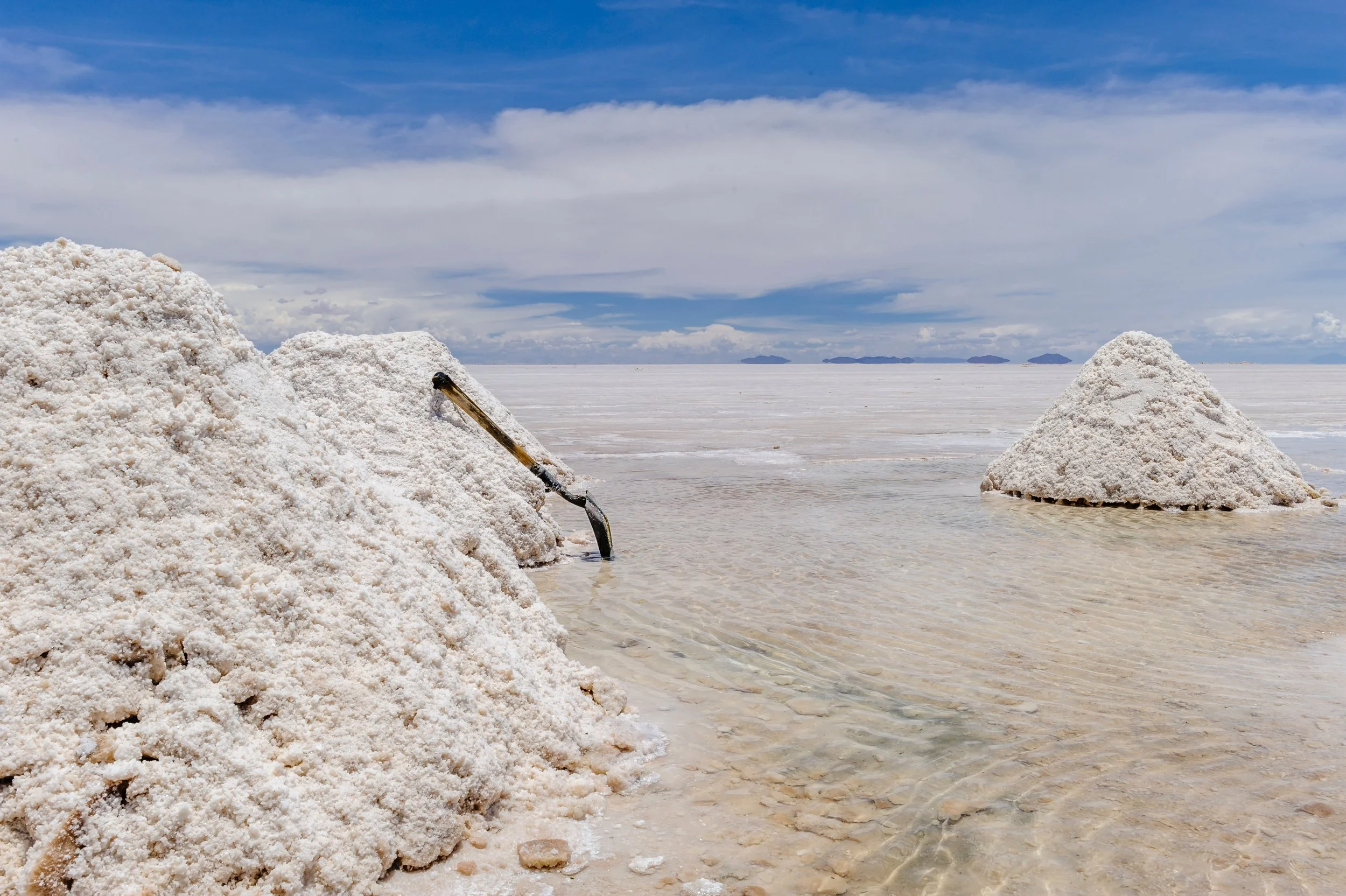
The picture above depicts the salt flats in Bolivia, which are located within the so-called “Lithium Triangle”. The area spans Chile, Bolivia and Argentina. The mining of Lithium, specifically in Bolivia, is a double edged sword. Like most countries that are resource rich, extracting this resource provides great benefits in the short-term. Mining Lithium, however, also produces pollution and can make local economies too heavily reliant on a single source of wealth. Battery production is ramping up steadily with the increase in electric vehicle (EV) sales across the world. Materials needed for battery production, including Lithium, are concentrated in South America, Africa, China and Australia. Currently, most Lithium travels from the Lithium Triangle to China for refining and then gets shipped to the auto-manufacturer’s factory for battery production.
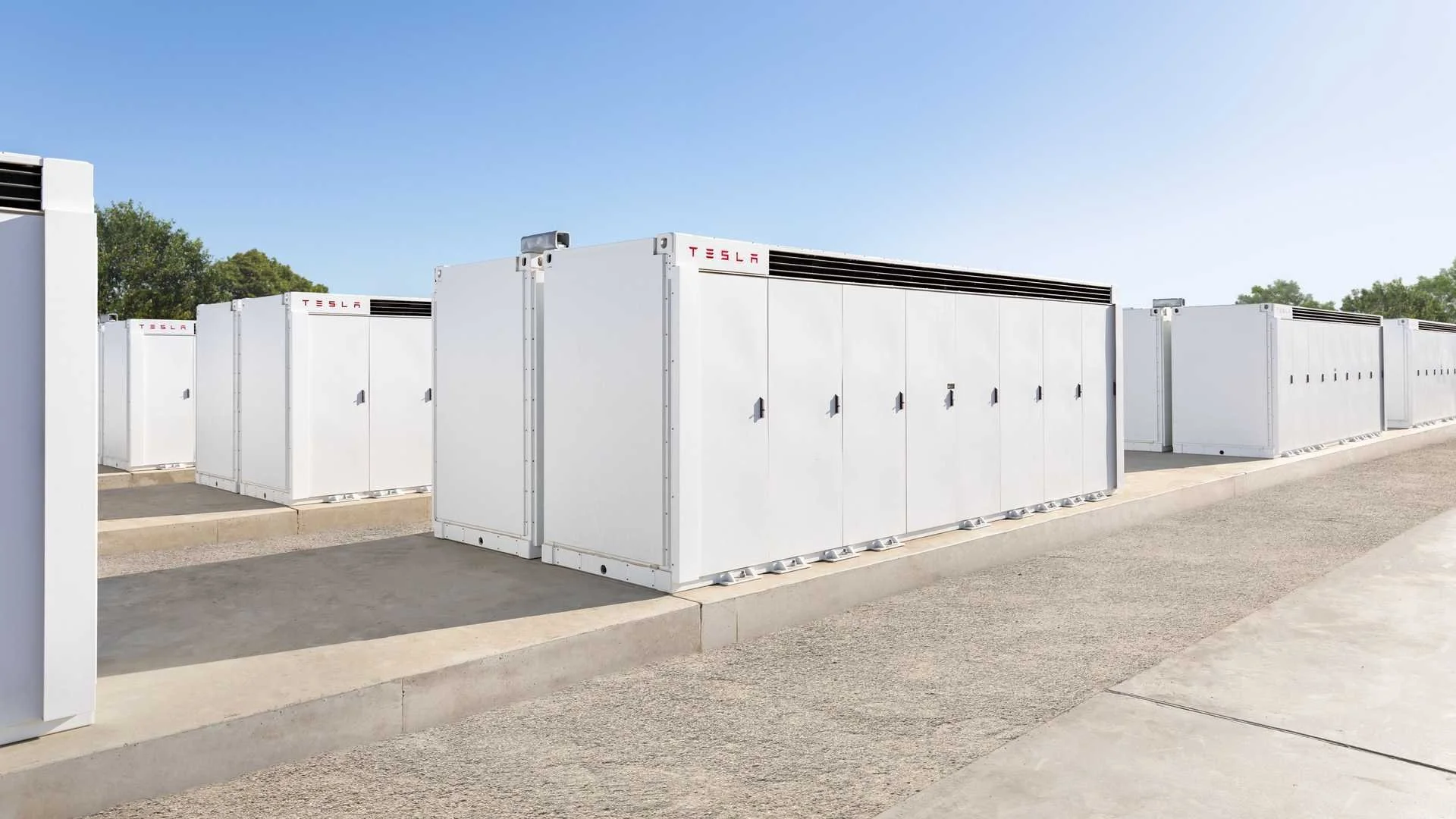
Batteries are also starting to be used to counter the negatives of some renewable energy. Solar power for example, is only produced when the sun is shining. Our power consumption, on the other hand, is not in line with the sun. However, companies like Tesla are working to produce large batteries to store surplus energy, allowing for more continuous power supply. A sample of their Megapack can be can be seen above.
One of the co-founders of Tesla, Jeffrey Straubel, foresaw the increased demand of batteries that was due to follow the adoption of EV’s. Working closely on Tesla’s vehicles, he realised that the scarcity of minerals, combined with the eventual uptake in EV’s and other battery powered technologies, would lead to a mismatch in demand and supply. So, he left Tesla and founded Redwood Materials, a U.S. based battery recycling company.
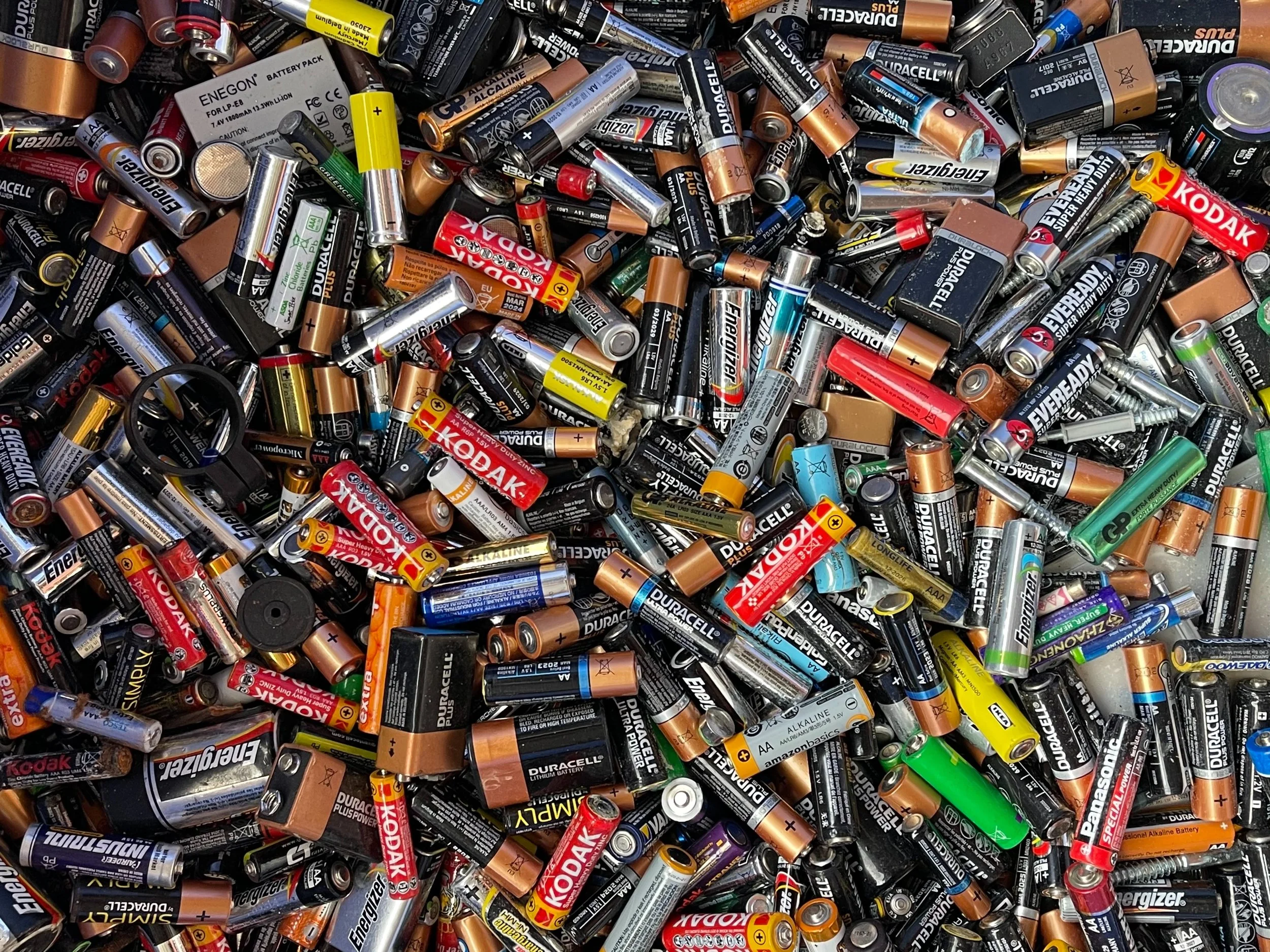
Redwood Materials is collecting batteries from all sorts of devices and turning them back into the mineral components needed to produce new batteries. They estimate that their efficiency is over 90%. The company is still relatively young, being founded in 2017, but the future looks promising for the Nevada based enterprise.
It is important for this sort of venture to receive many batteries, like any recycling business. Perhaps it is time to give that old laptop another chance at life, many places collect old technology for recycling, but we often forget them or keep them around. Just in case…