Urban Mobility: Back to the Future
“Power and machinery, money and goods, are useful only as they set us free to live” ~ Henry Ford. It is only apt, that the founder of Ford, one of the largest and historically prominent automobile manufacturers realised that machines are only of use when they serve our best interests. Urban mobility used to be confined to walking, riding horses or cycling, until the invention of the automobile at the end of the 19th century. Since then new additions, such as busses, trams and underground trains have been added into the mix. Urban centres kept growing and productivity flourished. The pandemic and climate change considerations have changed the way people move in large metropolis. E-bikes, E-scooters and car-sharing are taking past modes of transportation back into the future, with a twist of innovation. The future of urban mobility looks to be healthier, more social and more environmentally friendly.
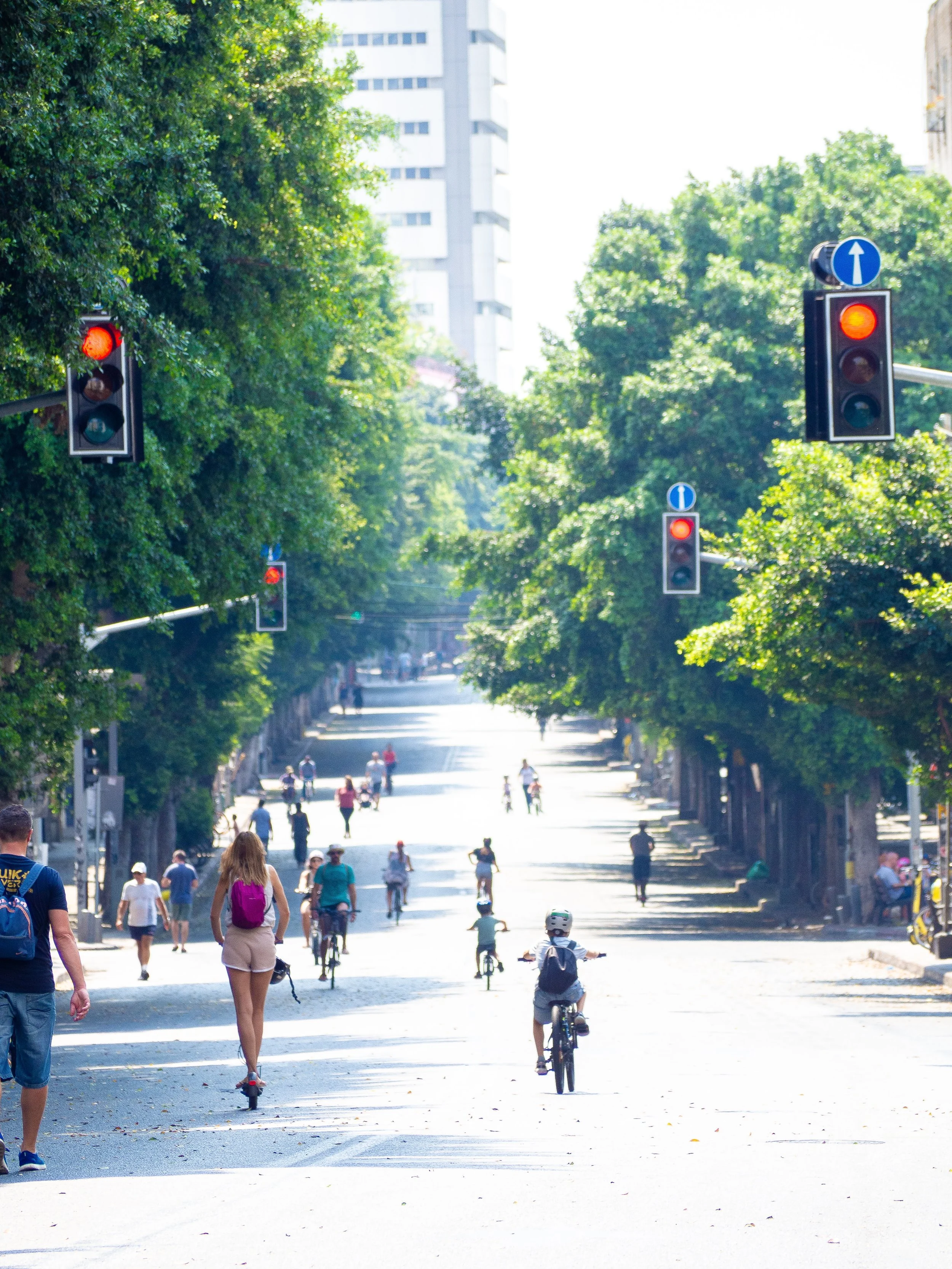
The so-called “car culture” is most profoundly felt in the United States, where around 5% of all urban land is devoted to parking alone. In European cities, the ratio is likely much lower. Nonetheless, roads and car infrastructure take up a lot of space and inconveniences anyone not driving a car. During the pandemic the roads were empty and cities were dubbed “ghost towns”. In order to escape the quarantine, many citizens opted to go for walks or exercise outdoors, when allowed by local regulations. During this period many people appreciated the ability to walk more freely, without having to worry about cars. The 2 year Covid-19 span, that will mark our history for years to come, has come at a time where personal mobility was already changing rapidly due to environmental concerns. Cities all across the world are adapting to accommodate alternatives to cars.
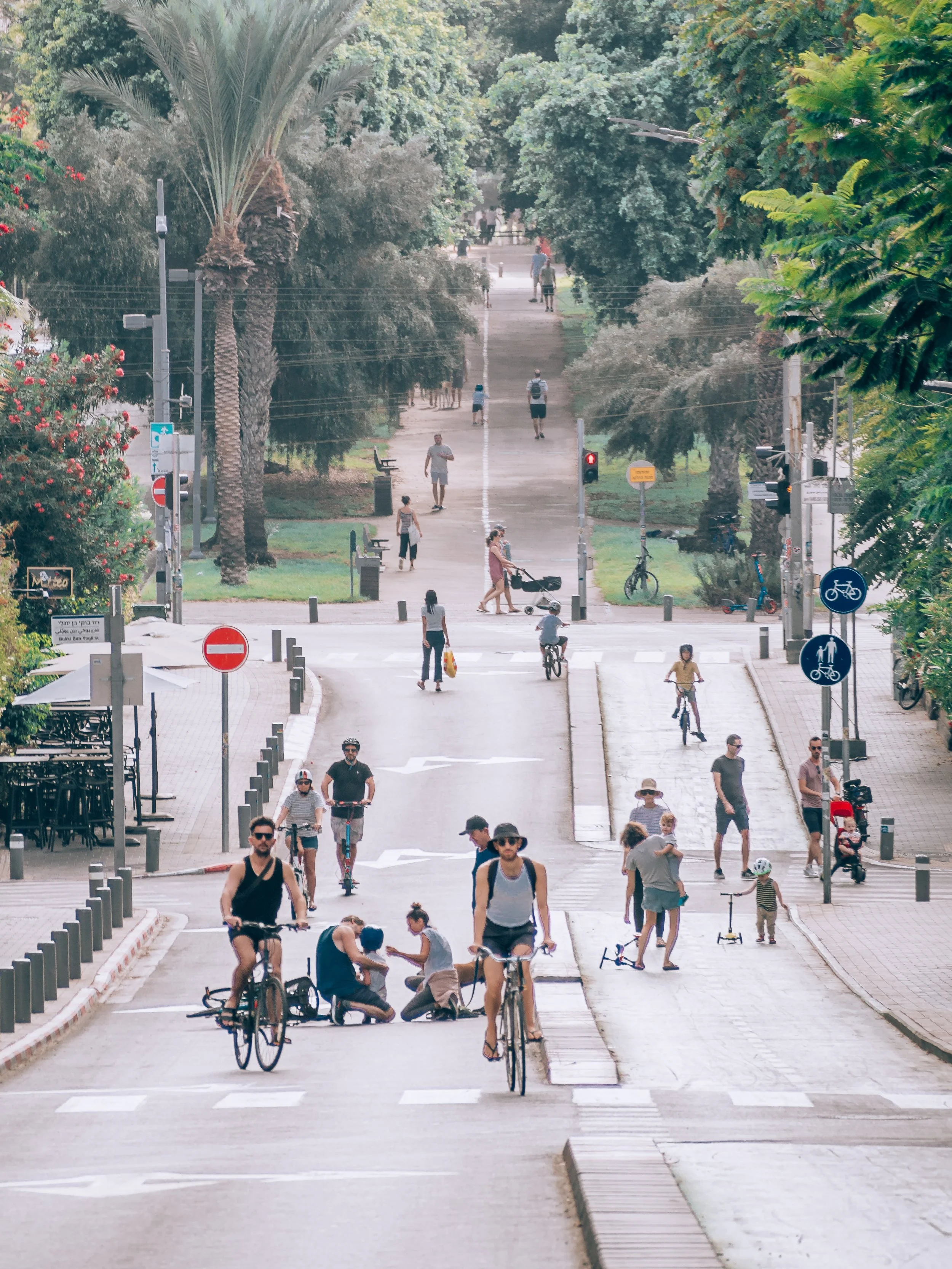
In many cities there are bike sharing companies that allow people to rent bicycles by the minute, like the Santander bicycles in London or New York’s Citi bikes. E-scooters are also, quite controversially, rising in popularity. Uber and other ride sharing services have been around for some time and add to the option list of modern day commuters. Provided one has a license, many cities also host car rental by the minute, provided by companies such as Zipcar, FreeNow and others depending on the region. All these innovations mean less privately owned and driven vehicles. Owning your own car is quite inefficient in large cities for short commutes. Traffic makes a short journey arduous, especially during rush-hour. Besides, 95% of the time cars are parked, giving only a use value of 5% at a high cost. Each of these new ways to get to work, or to the local shop, draw the best out of past inventions and remove the negatives.
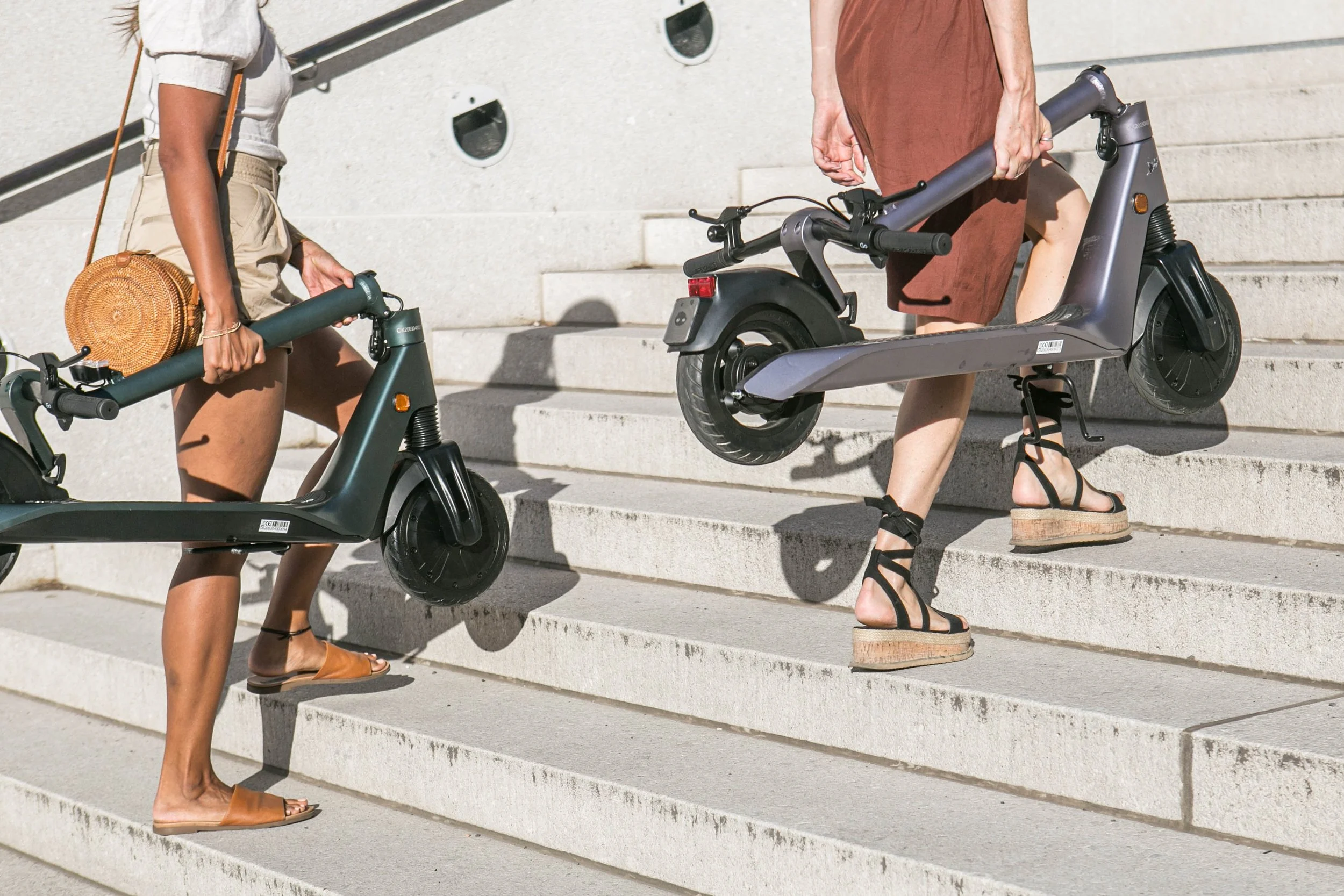
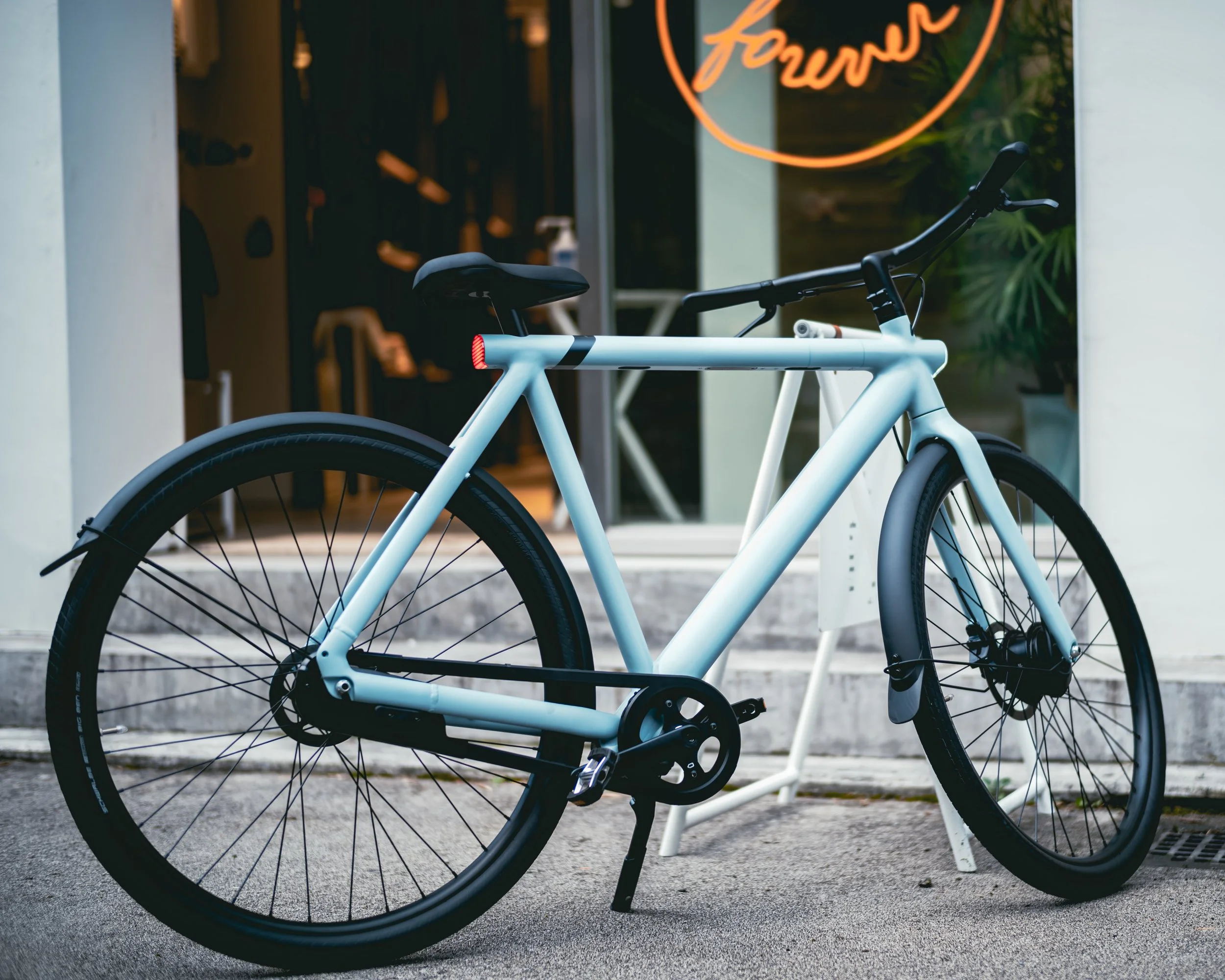
The infamous E-scooter takes a traditional scooter, adds a battery and an electric propulsion mechanic. Ideal for short commutes, preferably separated from cars. However, many critics point to the high number of accidents and the instability of the vehicle. Electric bicycles are more accepted and perhaps offer a safer alternative for longer commutes. Taking the effort out of cycling for people who wish to commute from A to B, without breaking a sweat. That is exactly the vision of VanMoof founders Taco and Ties, creating the perfect city bike to help you get around your city faster, smarter, happier, and in the utmost style. One of their state of the art revamps of the bicycle can be seen below.
During the transition from a car-centred infrastructure to a more walk/cycle friendly urban environment it can be quite chaotic and potentially dangerous. In various cities in the EU the injury rate of cyclists clashing with motor vehicles has gone up, along with the “post-pandemic” uptake in cycling. However, with many local governments spending to increase infrastructure to improve safety, accidents and deaths should reduce. After all, the likelihood of dying, or incurring severe injury, is prone to be extremely low when no cars are present . The health benefits of cycling or walking are not limited to crash avoidance. Two studies from the American Heart Association’s Scientific Sessions in 2022, found that cardiovascular risk and burden are lowered as cities become more accessible on foot. Bringing your local grocery at cycling distance and having most necessities around creates happy, healthy and more environmentally friendly communities, with less space for parking and more space for parks.