Chronotypes and Productivity

The 2017 international best seller “Why We Sleep”, by neuroscientist Matthew Walker, popularised sleep science in recent years. The book covers the importance of sleep for physical recovery, mental organisation and emotional processing, among others. The sleep industry is booming, melatonin pills, pillow sprays and night time routines, have all become standard practice for sleep aficionados. Most people know that screen time before bed and irregular sleeping times, are not conducive to sleeping well. However, chronotypes are much less known and their impact on health and productivity is remarkable.

The human body has an internal clock, called the circadian rhythm. This rhythm dictates several bodily functions throughout the day. A person’s heart rate, body temperature and metabolism, alter over the course of the day, as a result of the circadian rhythm. The circadian rhythm also dictates at which times of the day one is most alert. Everyone can alter their circadian rhythm with training, this can be exemplified when recovering from jetlag. A person’s internal clock needs to shift to the appropriate time zone. However, according to Dr. Walker, there is an underlying natural inclination that differentiates people’s biological workings throughout the day. This inclination is a person’s chronotype.
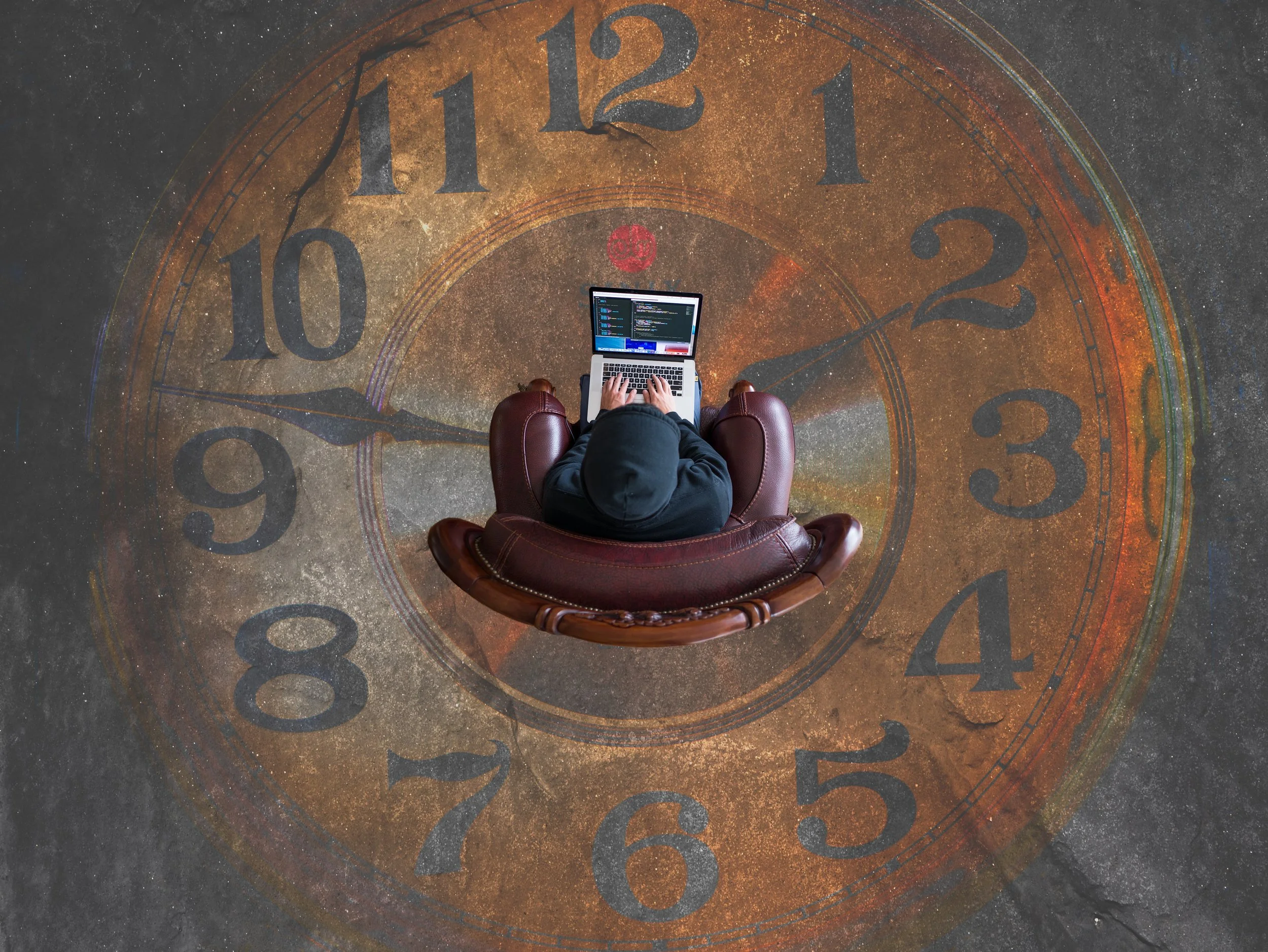
Society’s so-called ‘night owls’ and ‘early birds’, have a propensity to feel ‘great’, at different times of the day. A night owl might be more alert later in the evening and struggle to sleep until after midnight, whereas an early bird may have less issues waking up before dawn. These different chronotypes may have some evolutionary function. During tribal times, it easy to imagine that having different bed times may have been beneficial and life-preserving. Tribes with a good mix of night owls and early birds, may have had a lower chance of incurring damage during night-time, since some members would be awake to guard the rest.

In tribal times the difference in chronotypes may not have had a significant impact on any member, however, in modern society it’s much different. Schools and offices around the globe tend to cater towards early birds, even though a significant portion of the population is out of sync. Furthermore, Dr. Walker notes that teenagers tend to have a later circadian rhythm too, making early school hours particularly challenging. According to a study by Dr. Benjamin Smarr at the University of California, cognitive ability is impaired when chronotypes are out of sync with society. The study followed 15,000 students for two years and found that academic results decrease if classes are out sync with the individual students’ chronotype.
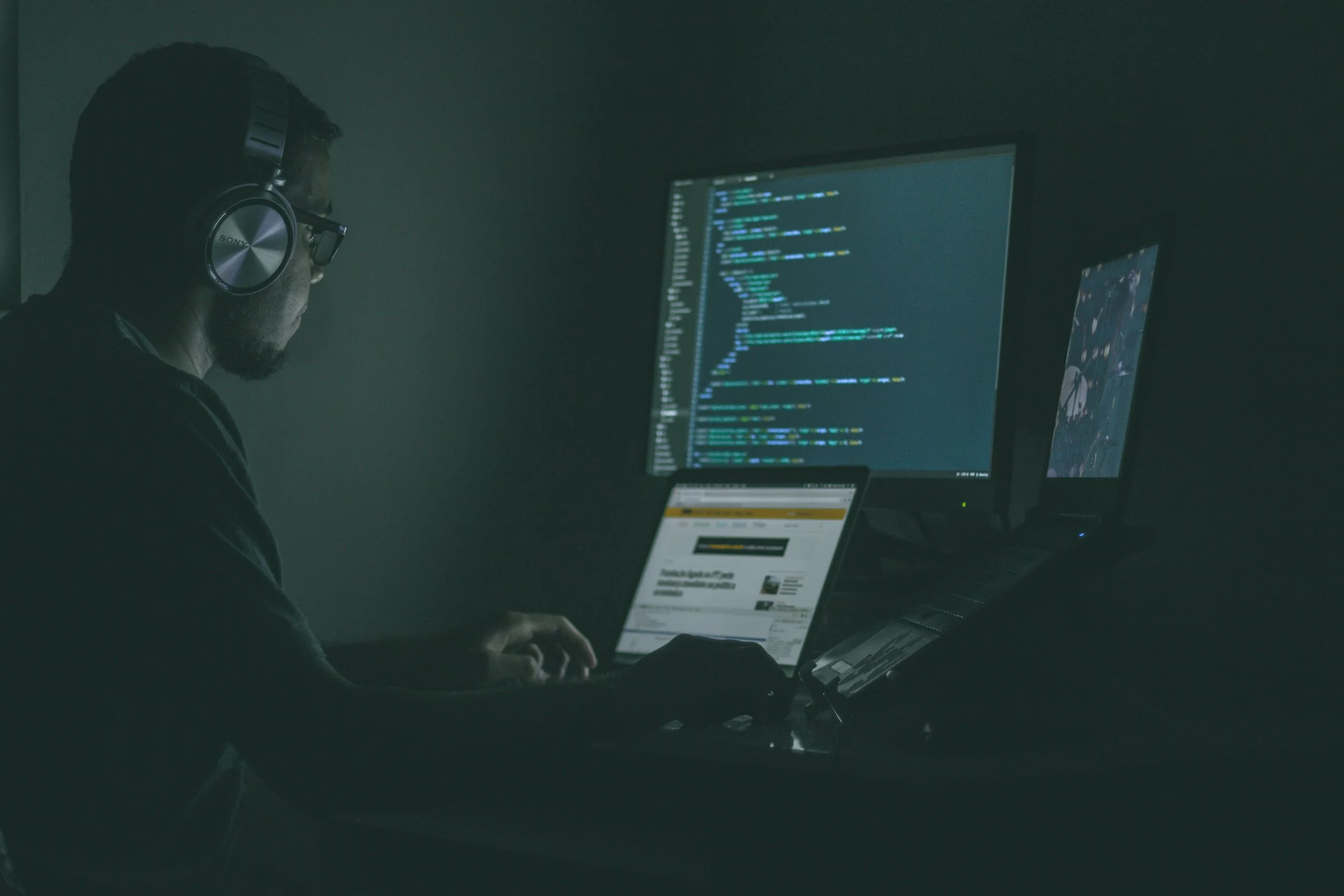
Being out of sync with one’s chronotype, leads to so-called ‘social jetlag’, much like its travelling counterpart, it impairs productivity. Unlike regular jetlag, social jetlag is constant and potentially has long-term damaging effects on the mind and body. One study has tried to schedule work around chronotypes, avoiding extreme clashes. An example of an extreme clash would consist of an early bird working multiple late-night shifts, or vice-versa. The results showed lower incidence of social jetlag and better sleep quality and productivity. It is difficult to conceive of a widespread quick-fix, however, the impact of chronotypes on productivity is worthy of note. The growing flexible working environments may pave the way for a more inclusive and productive work environment. For those travelling to the office, it may even result in less traffic, as rush-hour would be more evenly spread.