ChatGPT and Education

The world of chatGPT is a vibrant and fascinating one, filled with endless possibilities for communication and interaction. At its core, chatGPT is a sophisticated language processing system that uses advanced algorithms and deep learning techniques to generate human-like responses to user input. This technology has already proven to be incredibly useful in a variety of applications, including educational tutoring and language learning. As we move forward, it is likely that chatGPT will continue to evolve and improve, providing even more sophisticated and natural language generation capabilities. This paragraph, for example, was written entirely by chatGPT itself, showcasing its impressive language generation abilities and its potential for use in educational settings.

The news has been filled with chatGPT and all its possibilities. A lot of coverage has been devoted to its potential damages to the educational system. Many content creators and journalists have tested the system for essay writing. There are some concerns about students potentially using chatGPT to complete written assignments. Considering the capabilities demonstrated in the opening paragraph of this article, worries are unsurprising. Nonetheless, there are many positive applications for chatGPT within the educational setting. Some of these include: learning a new language, tutoring in mathematics and programming.

ChatGPT itself lists some possible applications for language learning “chatGPT could be used to create interactive language learning tools that allow students to practice their language skills in a conversational setting. This could include features such as real-time translation, personalised feedback, and the ability to simulate conversations with native speakers”. Imagine being able to practice for an oral language examination at home with chatGPT.
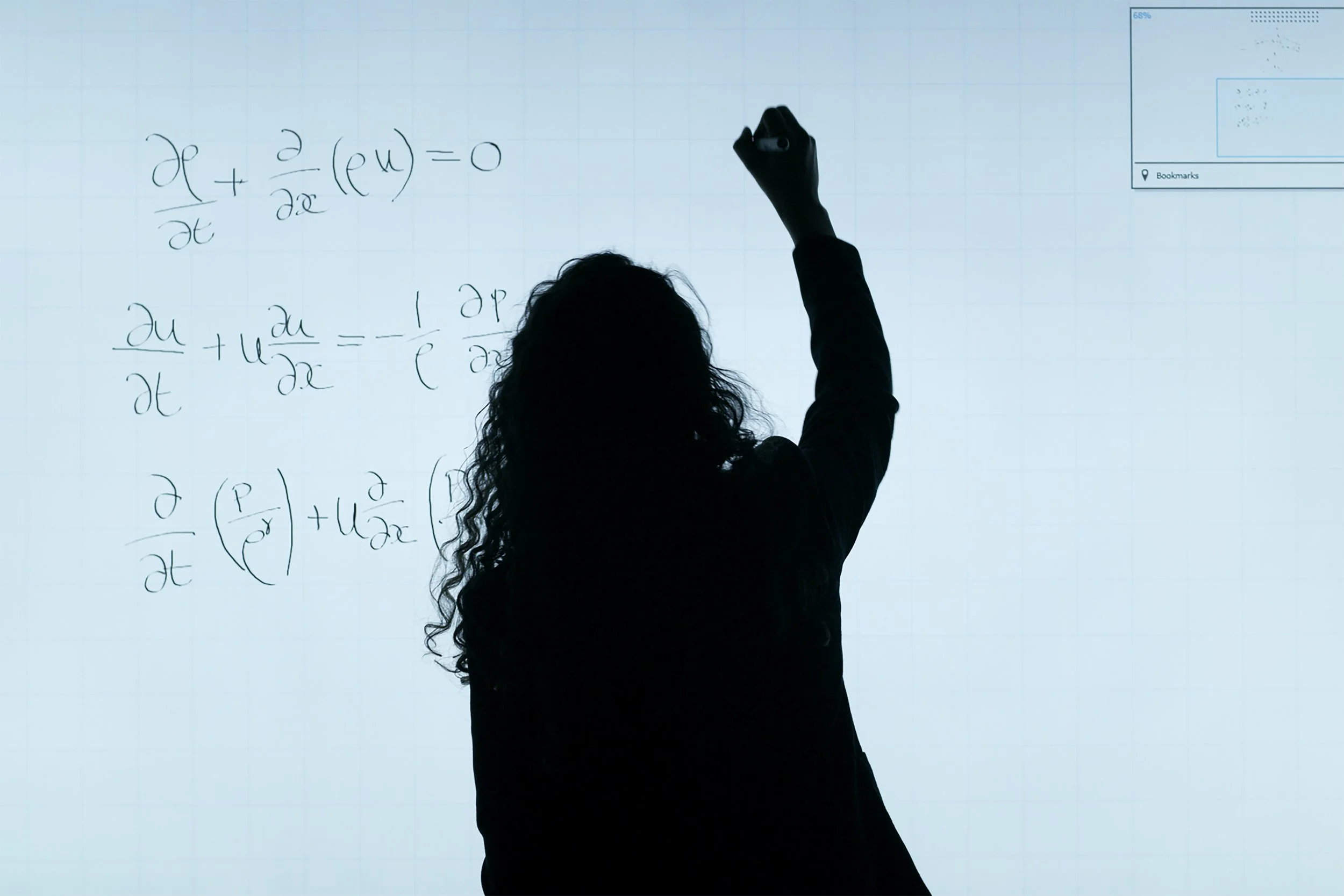
The programme is also capable of explaining solutions to mathematics questions in great detail. When asked “Why is y=1 when x is 5 in y=5x-22?” the programme replies “In the equation y=5x-22, the value of y is 1 when the value of x is 5 because the equation is a linear equation in the form y=mx+b, where m is the slope of the line and b is the y-intercept. When we plug in the values of m=5 and b=-22 into the equation, we get y=5x-22, which means that for every value of x, the corresponding value of y can be found by multiplying x by 5 and then subtracting 22.” If students have access to this sort of tutoring at home, their learning could be greatly aided.
Even more complicated maths questions are neatly explained by chatGPT. When asked “What is the integral of "5x^2-8x+5" and why?” the programme replies “The integral of the function 5x^2-8x+5 is 5x^3/3-4x^2+5x+C, where C is a constant. This result is obtained by applying the rules of integration, which involve using basic integration formulas and the method of substitution to find the antiderivative of a given function.
To find the integral of 5x^2-8x+5, we first apply the basic integration formula for a polynomial function of the form f(x)=ax^n, where a is a constant and n is a positive integer. This formula states that the integral of f(x)=ax^n is f(x)=ax^n+1/(n+1)+C, where C is a constant.
Applying this formula to each term of 5x^2-8x+5, we get the following:
The integral of 5x^2 is 5x^3/3+C
The integral of -8x is -4x^2+C
The integral of 5 is 5x+C
Adding these three results together, we get 5x^3/3-4x^2+5x+C, which is the final answer for the integral of 5x^2-8x+5.”
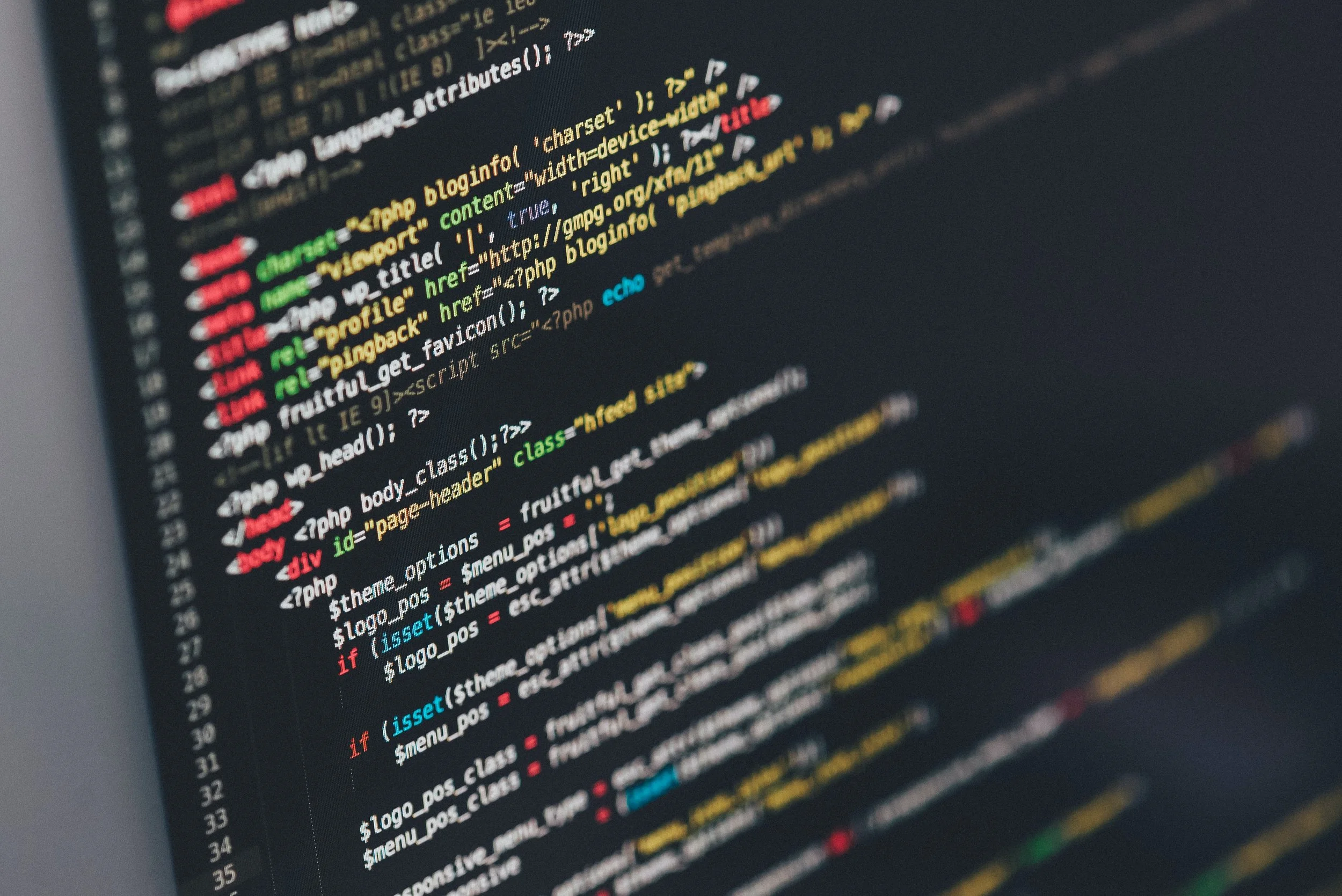
The same tutoring could be received in the field of programming languages. These fields specifically lend themselves well to the programme’s capabilities. Having structured rules and definite answers, they are not subject to error. For most educational purposes this tool seems to offer a great human alternative to teaching. In preparing for examinations and researching for assignments the tool can be effective.
Most examinations and presentations are likely unharmed from the rise of chatGPT. As a tool for preparation it shows great promise, much like Google and the internet. At present, students are unable to access the internet during examinations, therefore access to chatGPT will be restricted too. Written assignments are the most likely victims of AI plagiarism. However, technology is constantly evolving, regulation will have to catch-up. The programme’s capabilities and their threat to current regulations, are not dissimilar to innovations of the past. Assuming an effective regulatory framework, this tool will likely have an instrumental positive effect on education.