Is NightJet the new EasyJet?
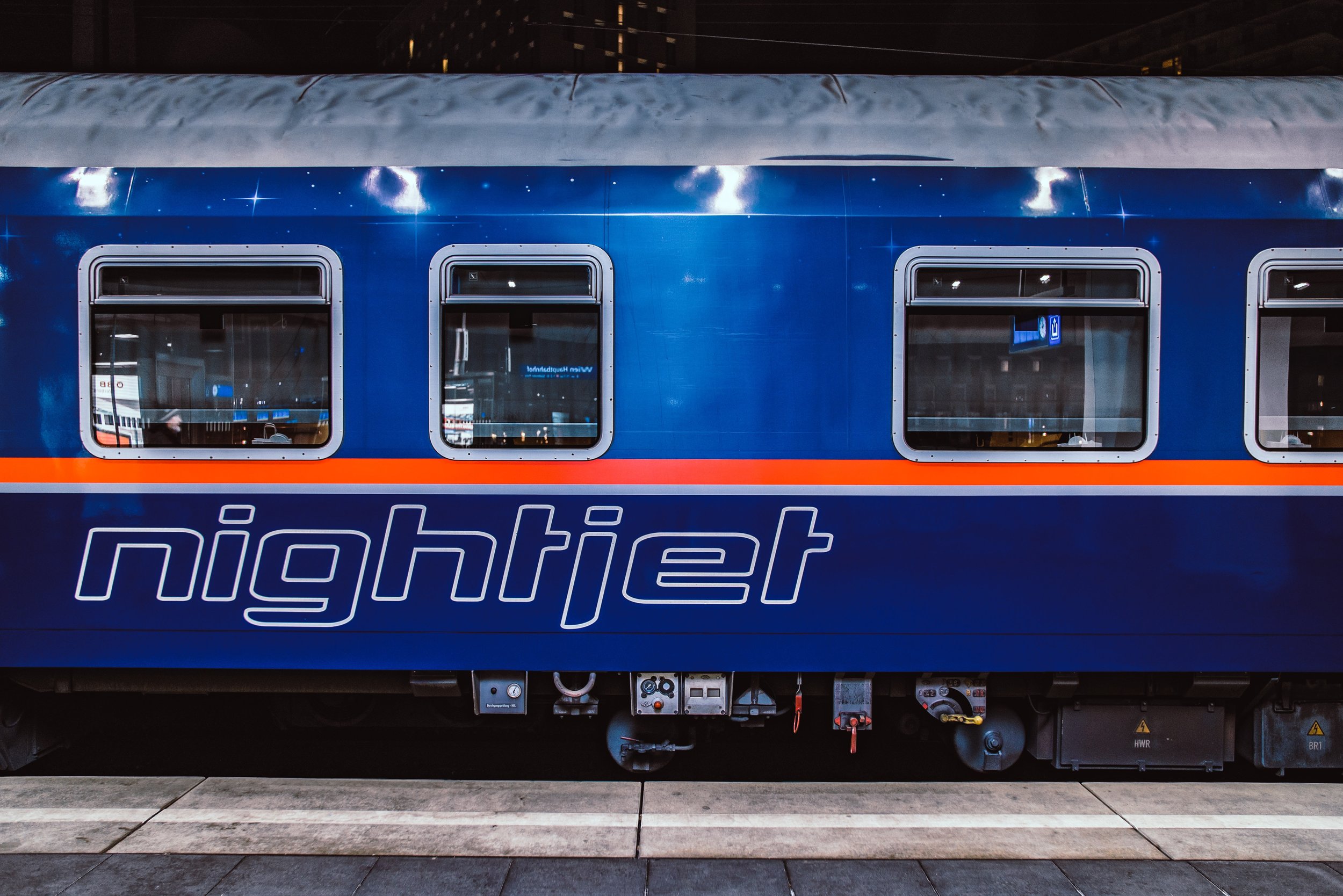
The European Union is seeing a shift in policy, encouraging railway travel over airplane travel when possible. In April 2022 France was the first country to ban short-haul flights, where a train or bus alternative taking less than two and a half hours exists. Short-haul flights and private jets are under heavy scrutiny, due to the increased greenhouse gas (GHG) emissions produced. Competing with flights, other than on emissions, has become quite difficult in Europe. Taking a plane from Glasgow to London can be cheaper than taking a train. There is very little international rail connection, allowing for smooth international travel. Trains also tend to take much longer than planes. Nonetheless, the future is promising, including reduced fares, high-speed rail and overnight international sleeper trains like the NightJet.
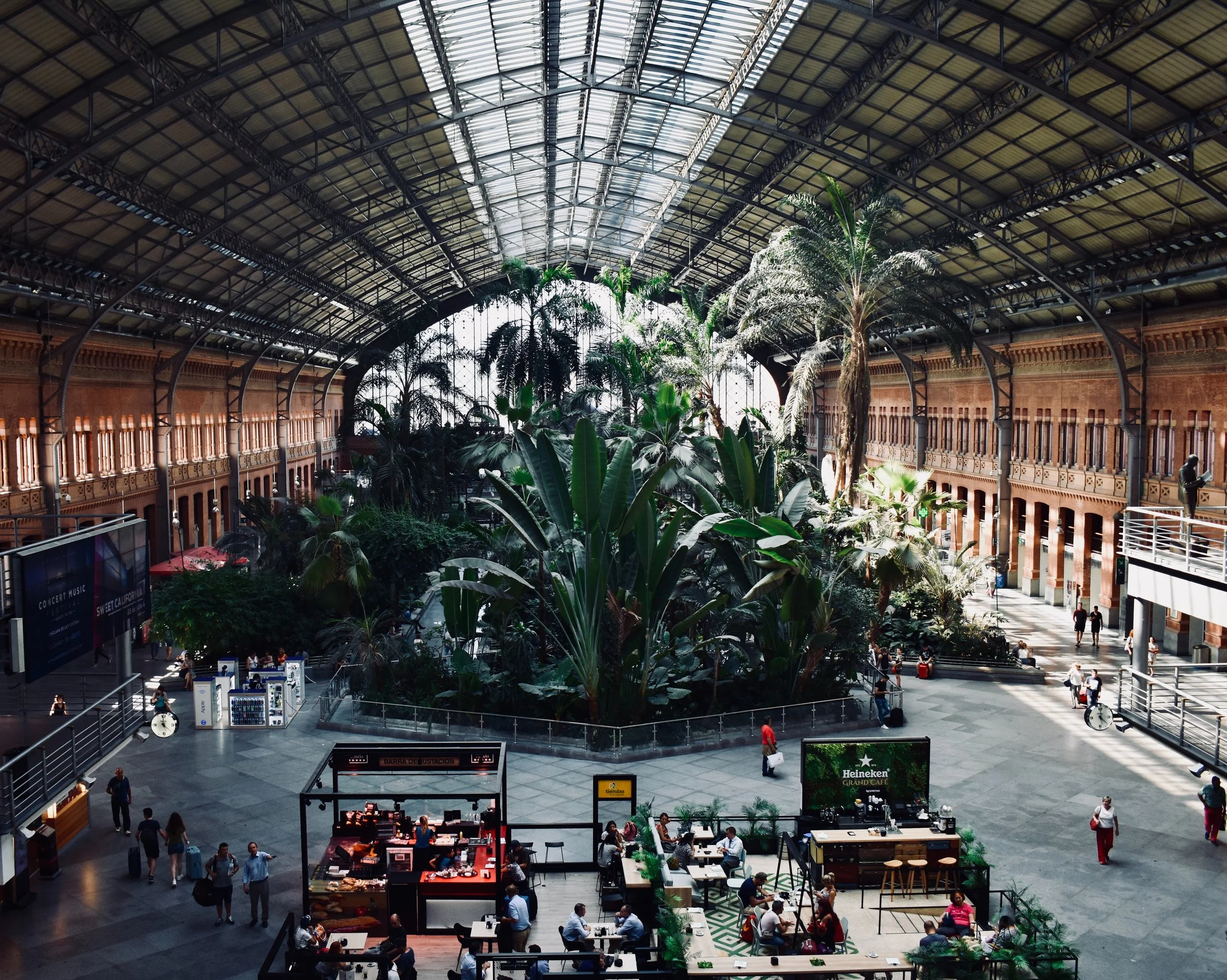
Much like the Botanical Garden in the Atocha train station in Madrid, the European rail system is growing and flourishing under climate change pressures. Taking a train from London to Rome will produce around ~40kg of CO2 according to Ecopassenger, whereas a plane will produce almost seven times the amount, at around ~271kg. The same platform also calculates journey times and finds that the plane journey, including trains to and from airports, is around 7 hours, whereas the train alternative is 16 hours. The longer journey including: 7 trains and a walk between stations in Lyon. The price is likely also much higher than a single ticket.
Countries around the EU are aiming to lower the price for rail travellers, by offering incentives and susbsidies. Germany offered a programme during the summer of 2022, where a single pass for 9€, would allow unlimited rail travel. The programme was a test to see whether people would use rail, if subsidised. Having found success the programme will be rolled-out next year at a higher price of 49€ per month. In Spain the government has even made some journeys free, alongside wider discounts, on the nation’s Renfe services.
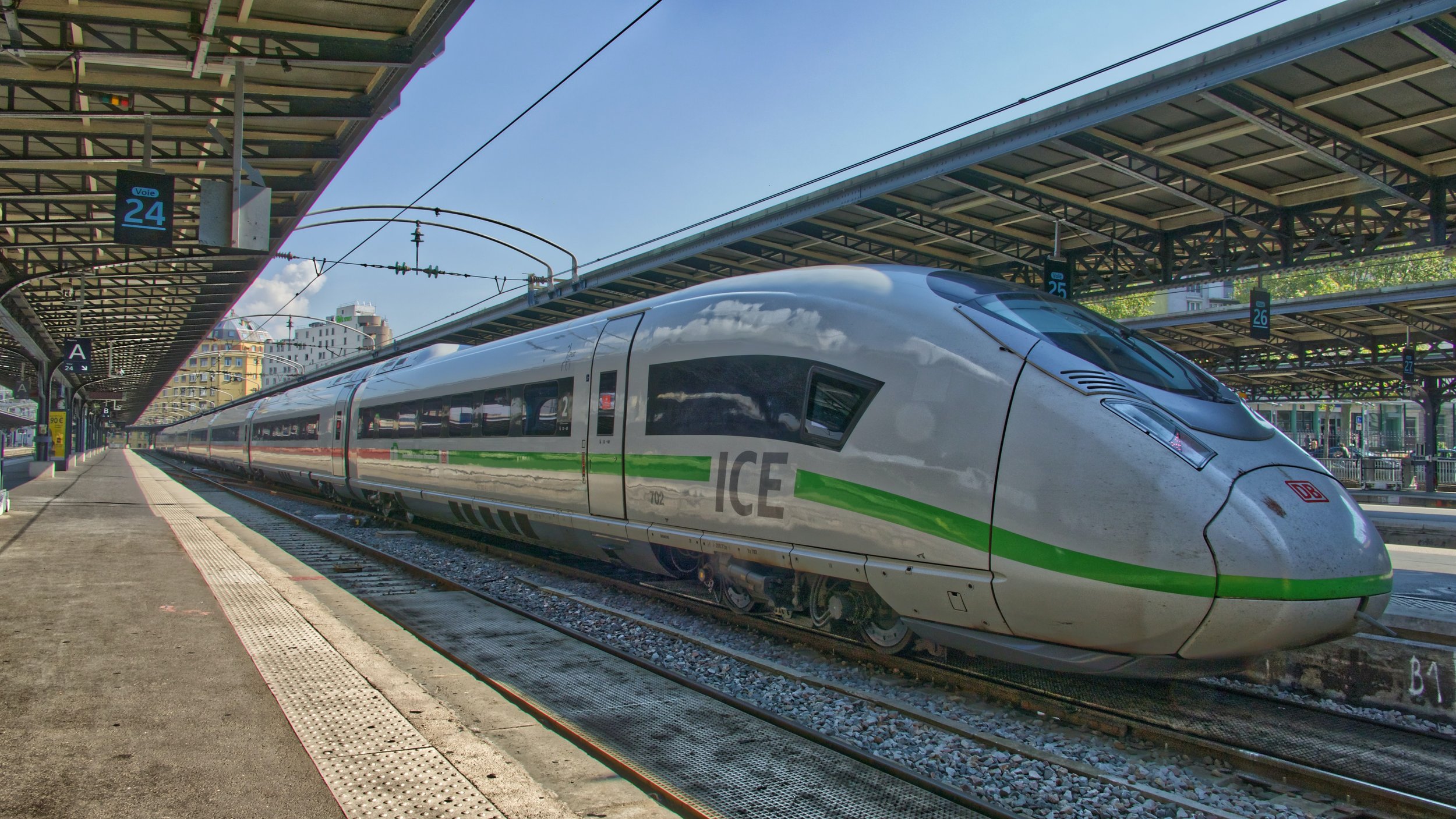
Many of the larger European countries including Spain, France, Germany and Italy have a strong domestic high-speed rail network in place. Spain ranks 2nd in the World only after China for high-speed rail, at 3200km. However, it is rare for high-speed rail to cross national borders, the Eurostar that crosses the English channel is a notable exception. Nonetheless, some connections between large cities are fairly easy. A reporter from Euronews found that her trip from Lyon to London took 15 minutes less by train, than it did by plane. After all, train stations are often within city centers and easy to board, removing the time wasted travelling to airports and getting through security checks. However, many countries are not well connected, requiring frequent changes, waiting between trains and even walking from station to station within cities.
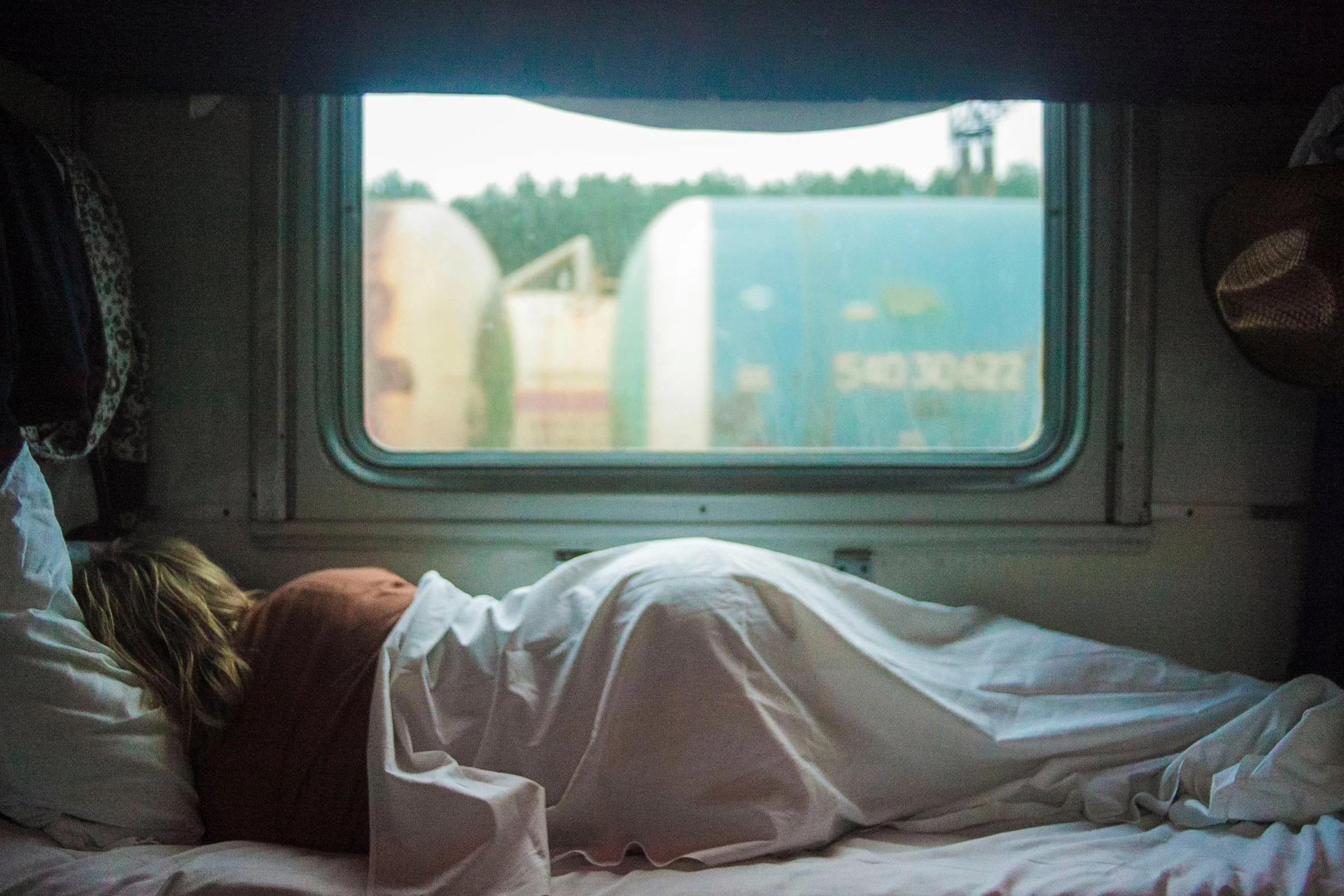
The Austrian Federal Railways (ÖBB), are offering the NightJet to counter most of the problems mentioned above. Their new line of sleeper trains was unveiled in September 2022, however, their original launch was back in 2016. The new trains improve on previous shortfalls, boasting more privacy, comfort and speed. Currently, NightJet spans 25 European destinations and with their new trains launching in 2023, commuting between countries should be easier than ever before. Their network can be seen below. Spanning from Hamburg in the North to Rome in the South and from Paris in the West to Warsaw in the East.
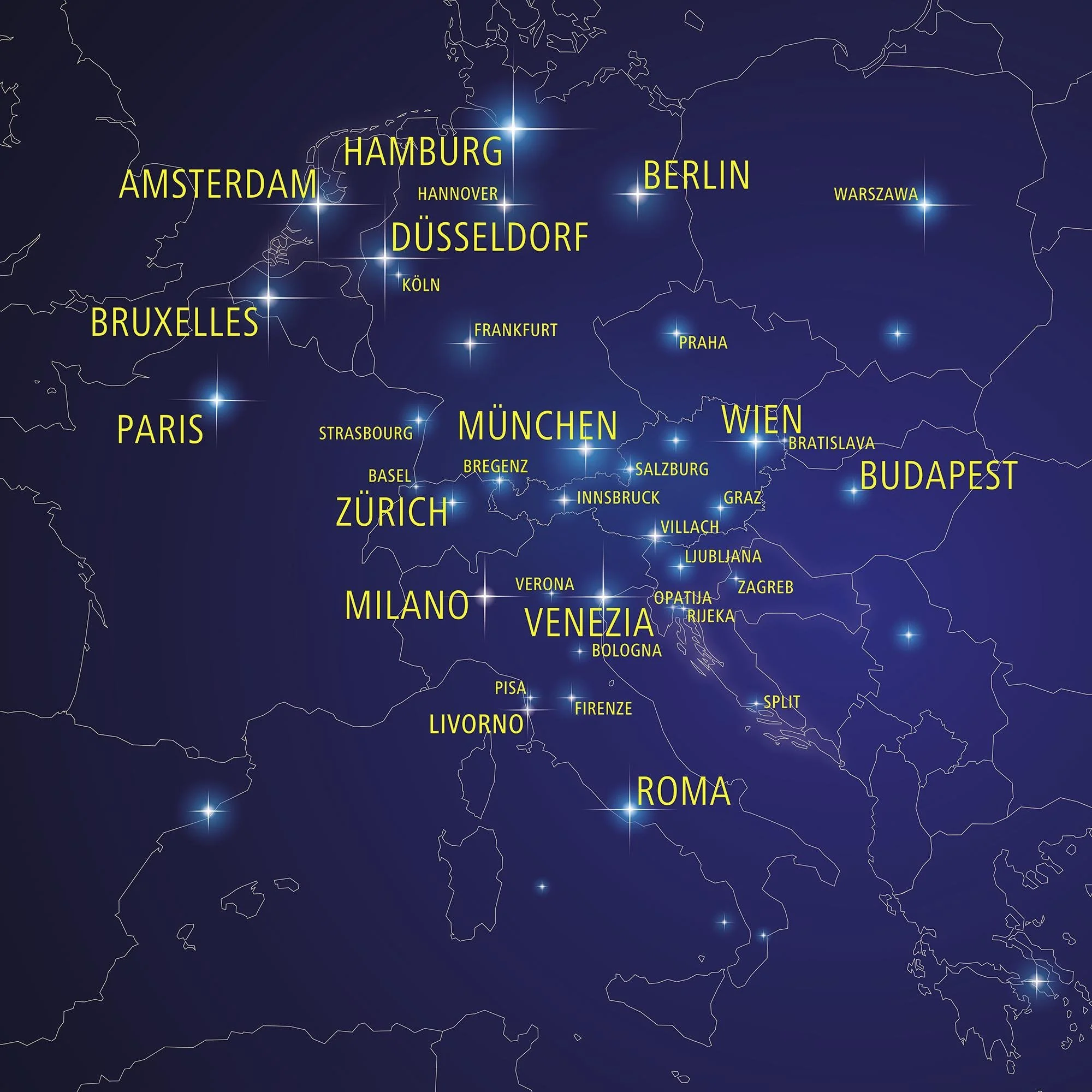
It remains uncertain whether trains will be able to fully replace flights in the near future, with many people likely to struggle to the adjustment. Committing to sleeping on a train overnight, instead of flying during the day is quite a dramatic shift. It would be great if countries within the EU could produce more international high-speed rail, perhaps this will follow the NightJet. However, many people will be enticed by the new offering. Having the ability to travel whilst asleep and being able to use their phones and laptops for work in the morning, before arriving to their final destination. Others might be interested in the more old-fashioned romanticised aspect of sleeper trains. Nonetheless, everyone taking a train instead of a plane is saving emissions and that is great news.