Mycelium Miracle: Plants Versus Plastic
Water, juice, your groceries and the latest TV that Amazon shipped to your house all have one thing in common: they are likely packaged in plastic. Plastic waste has been a hot topic for quite some time now, but the true scale of human pollution is still magnificently grotesque. It is estimated that every minute, humans use 1.2 million plastic bottles. Plastic waste is set to triple by 2060 reaching 1,041 million tons. “Mycelium” the root-like structure of fungi is promising a viable solution to plastic packaging.
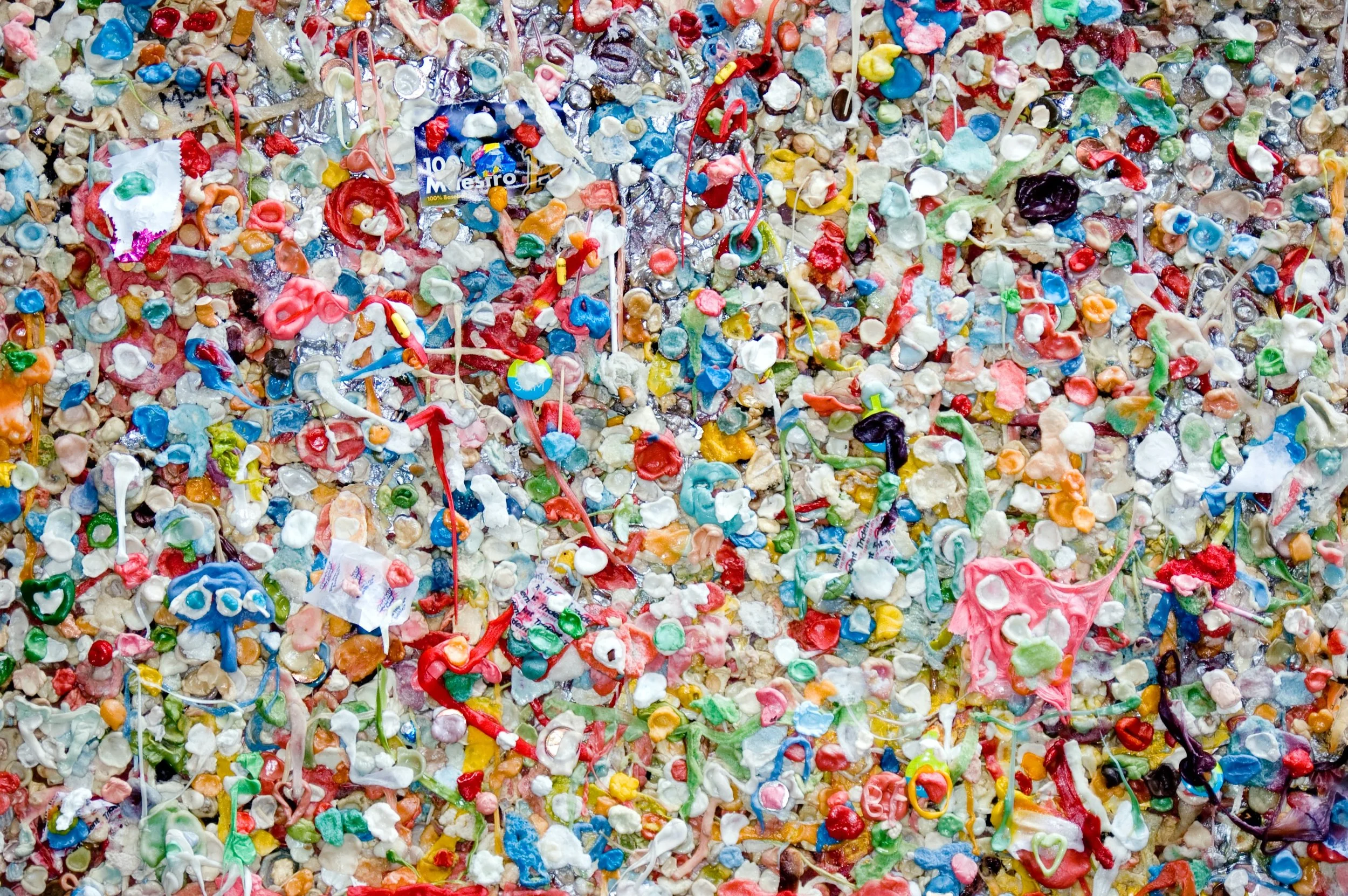
The world is currently scattering to innovate and find a more sustainable way to limit waste. We have come to know of the dangers of micro plastics, ocean pollution and the damage to the environment if we let the ratio of fish to plastic become 1:1. We have all learned the ‘reduce, re-use, recycle’ mantra in school, but apart from being a fairly recent endeavour, it is not proving to be highly effective. Plastic recycling only started to take place in the latter half of the 20th century, whilst plastic production had already been well-underway. Estimates from the World Economic Forum show that in 2019 only 9% of plastic was recycled and that ratio is expected to rise to 17% in 2060.
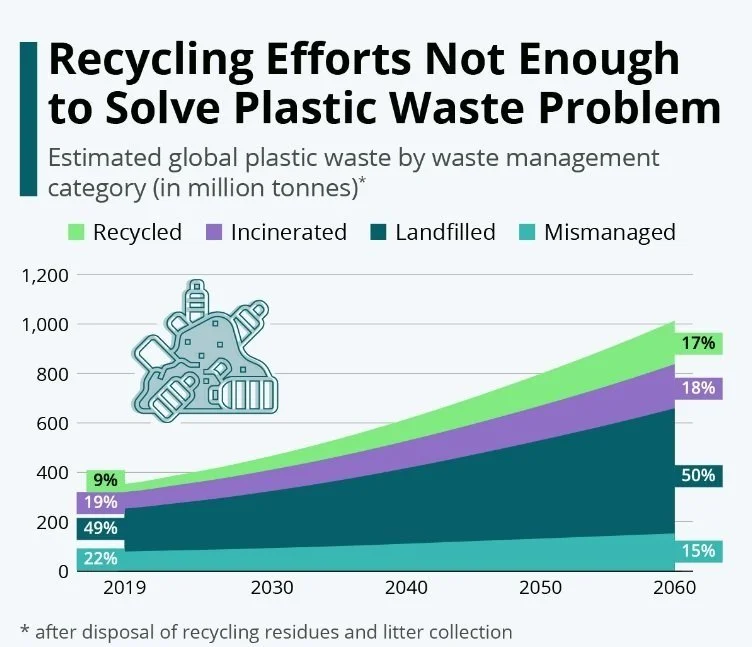
Source: OECD Global Plastics Outlook
Sustainability challenges have prompted the world’s brightest to conjure up solutions through innovations in products, services and lifestyle. Think 're-usable water bottle’. In a 2016 World Economic Forum agenda on the future of plastics in the economy, the former CEO of IDEO, Tim Brown, declared that “The New Plastics Economy is an exciting opportunity to inspire a generation of designers to profoundly rethink plastic packaging and its role in a system that works.” He was not wrong. Eben Bayer changed the future of packaging when creating the mycelium packaging technology and co-founding Ecovative.
Mycelium is the underground network of fungi that acts like a root and connects to the mushroom to the soil. Ecovative has harnessed the natural power of the fungus and combined it with hemp hurd, creating biodegradable packaging that is cost-competitive, insulating and protective.
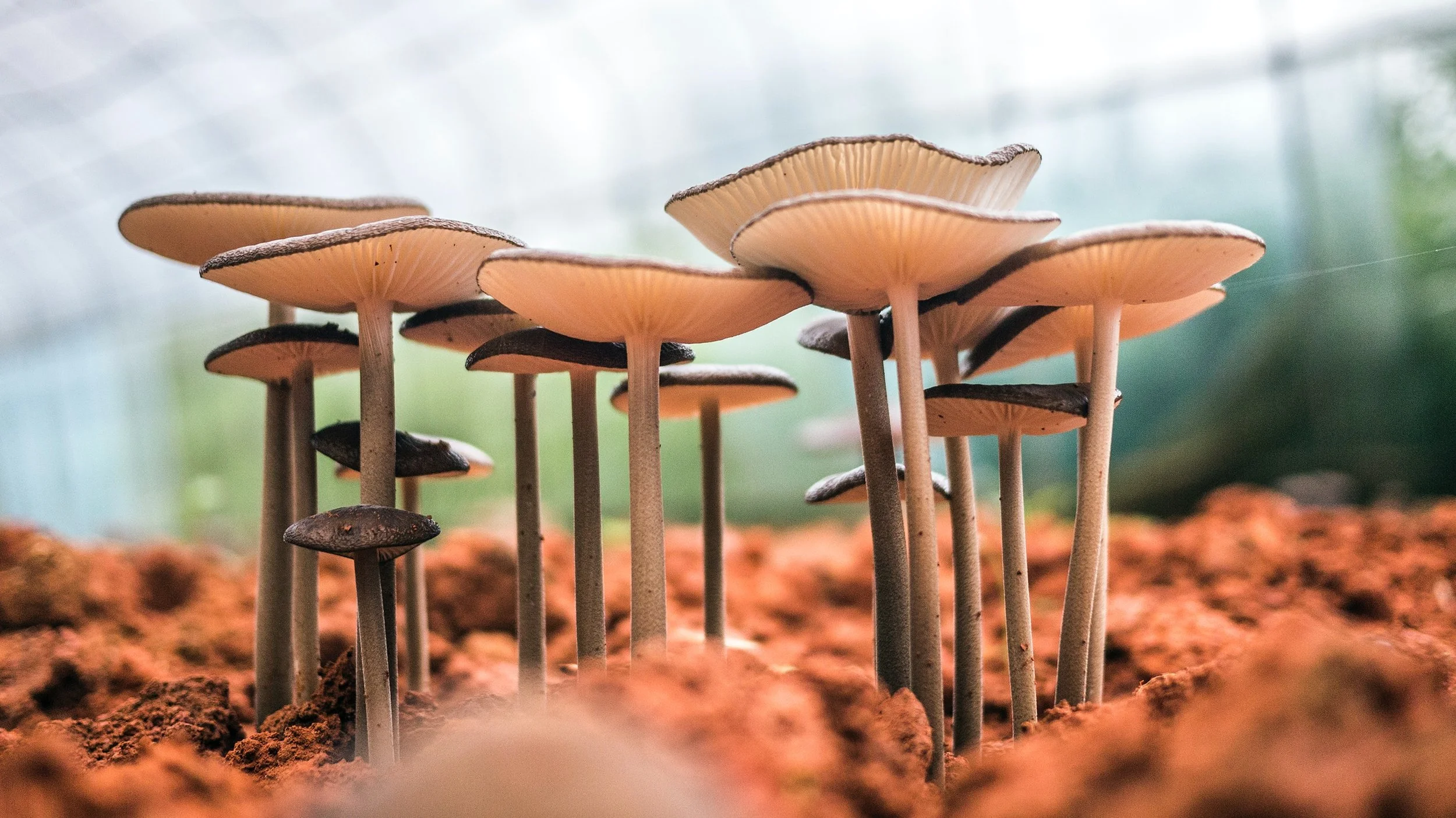
The process of creating this packaging involves rapid prototype design and a 7-day growth period for the mycelium to fill the desired mould. The company has since grown and is now supplying IKEA with its packaging. According to the Head of Sustainability for IKEA, Joanna Yarrow, “the great thing about mycelium is you can grow it into a mould that then fits exactly. You can create bespoke packaging.”
There are some downsides to mycelium packaging. The 7-day growing period is quite long and can pose problems in terms of rapid uptake or growth. The material is also less fire resistant than current packaging alternatives. Nonetheless, the introduction of this innovation will most certainly reduce our use of plastic and is one of many solutions to the plastic waste problem.