Is Art Becoming more Human than ever?
Art can be anything that is appreciated for its beauty, or that touches the audience in some way. Looking at the image above one can appreciate the creative endeavour of the artist. The lighting, the colours, the composition. Perhaps for some it evokes a subjective feeling, some might find it aesthetically pleasing. Yet, it does not match the Google definition of art: “the expression or application of human creative skill and imagination, […], producing works to be appreciated primarily for their beauty or emotional power”. The image above indeed was not created by a human, but by Artificial Intelligence (AI).
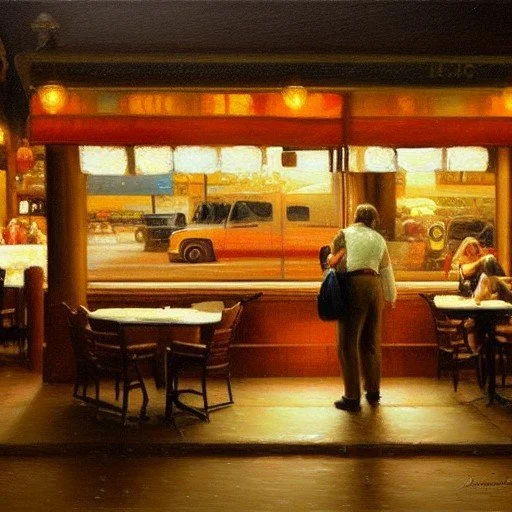
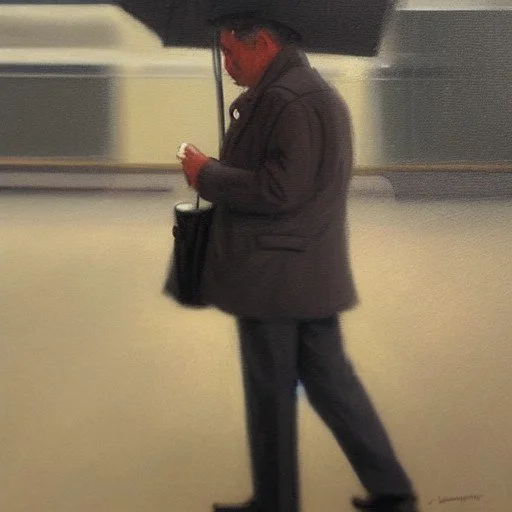
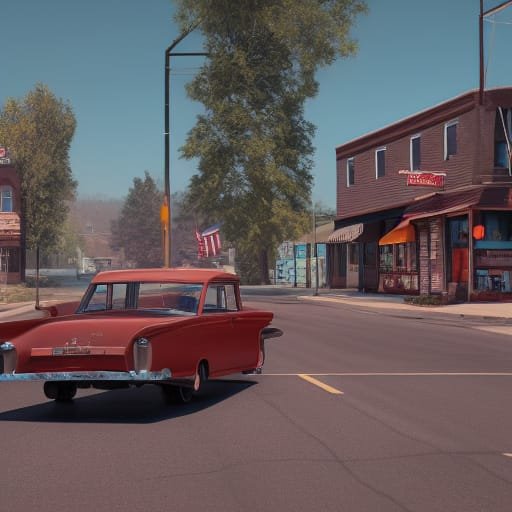
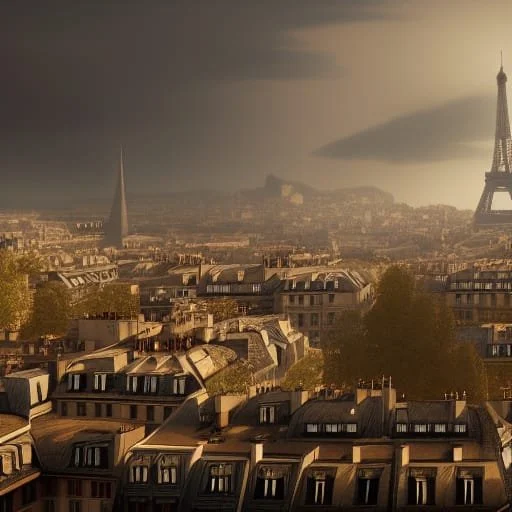
In the carousel above there are several more of these AI generated images that closely resemble human art and could arguably hang in a gallery. In January 2021 the Open-AI text-to-image AI generator DALL-E was created, its successor DALL-E2 coming in April 2022. The world’s attention turned to this new technological innovation and it created headline news. The trend really rose sharply when Midjourney, another AI startup, opened their doors to the public, allowing anyone to create images from text using their AI model. The AI models used to create images from an input text were created using Machine Learning (ML).
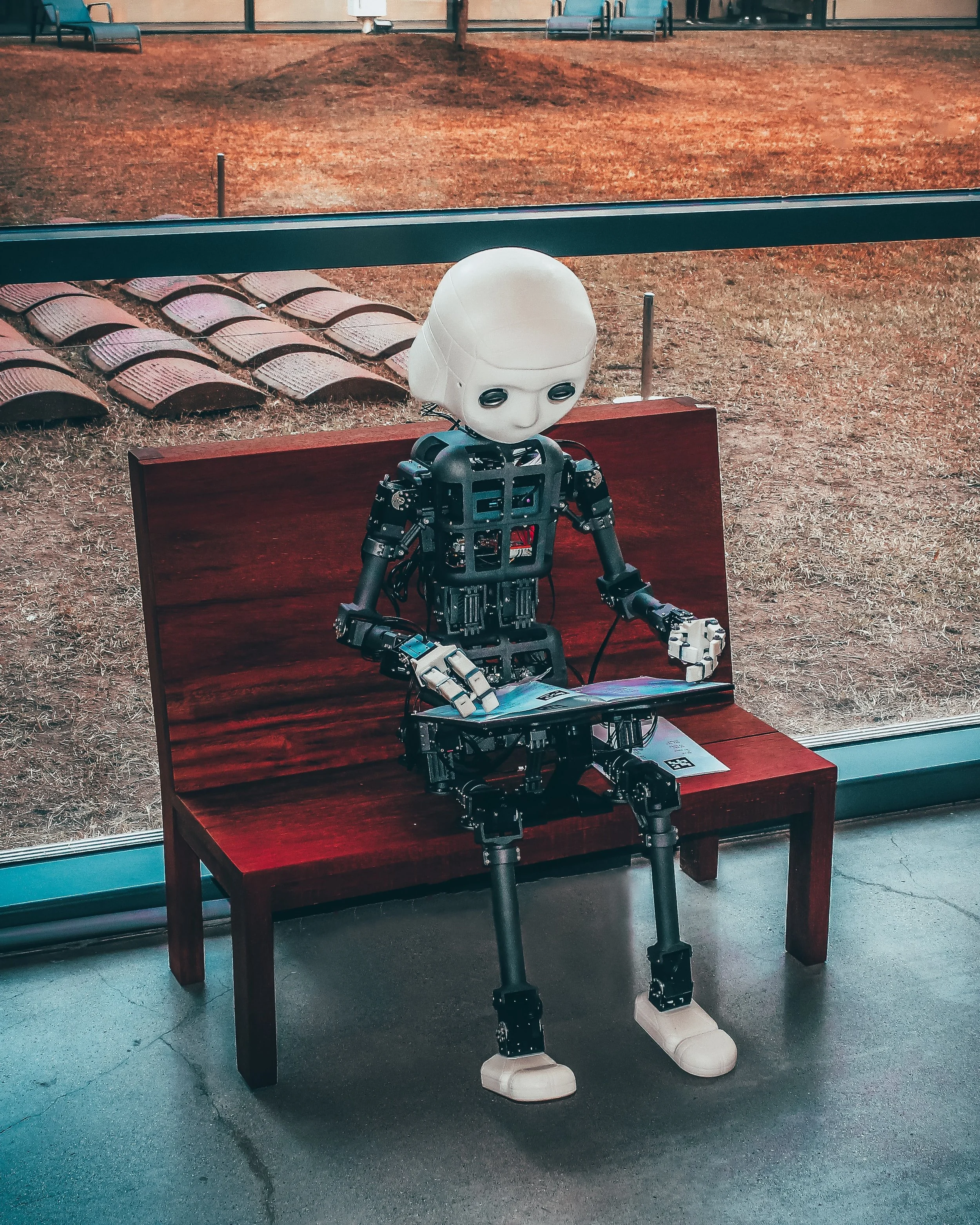
Machine Learning is one of the most fascinating methods for training AI. It is inspired by the workings of the human brain and its neural networks. In fact many ML breakthroughs came with the help of neuroscience, biology and physiology. In order to create a text-to-image generator there are several components of ML at work. Firstly, there is the AI that learned how to interpret words, their meaning and the interactions in a sentence. Secondly, there is an AI that correlates the words (their meaning, interactions and nuances), with images. To train the AI which words correlate to what image, researchers used image datasets that had clear descriptions. In simple terms, if you show a computer 10,000 images of different cats and name them “cat”, then it will likely be able to classify the next image of a feline as “cat”. The data science is quite tricky, but we have arrived at a point of controversy. Many users have argued about whether text-to-image generators are art, or merely the result of some computation. This debate tiptoes over the line dividing humans and computers.
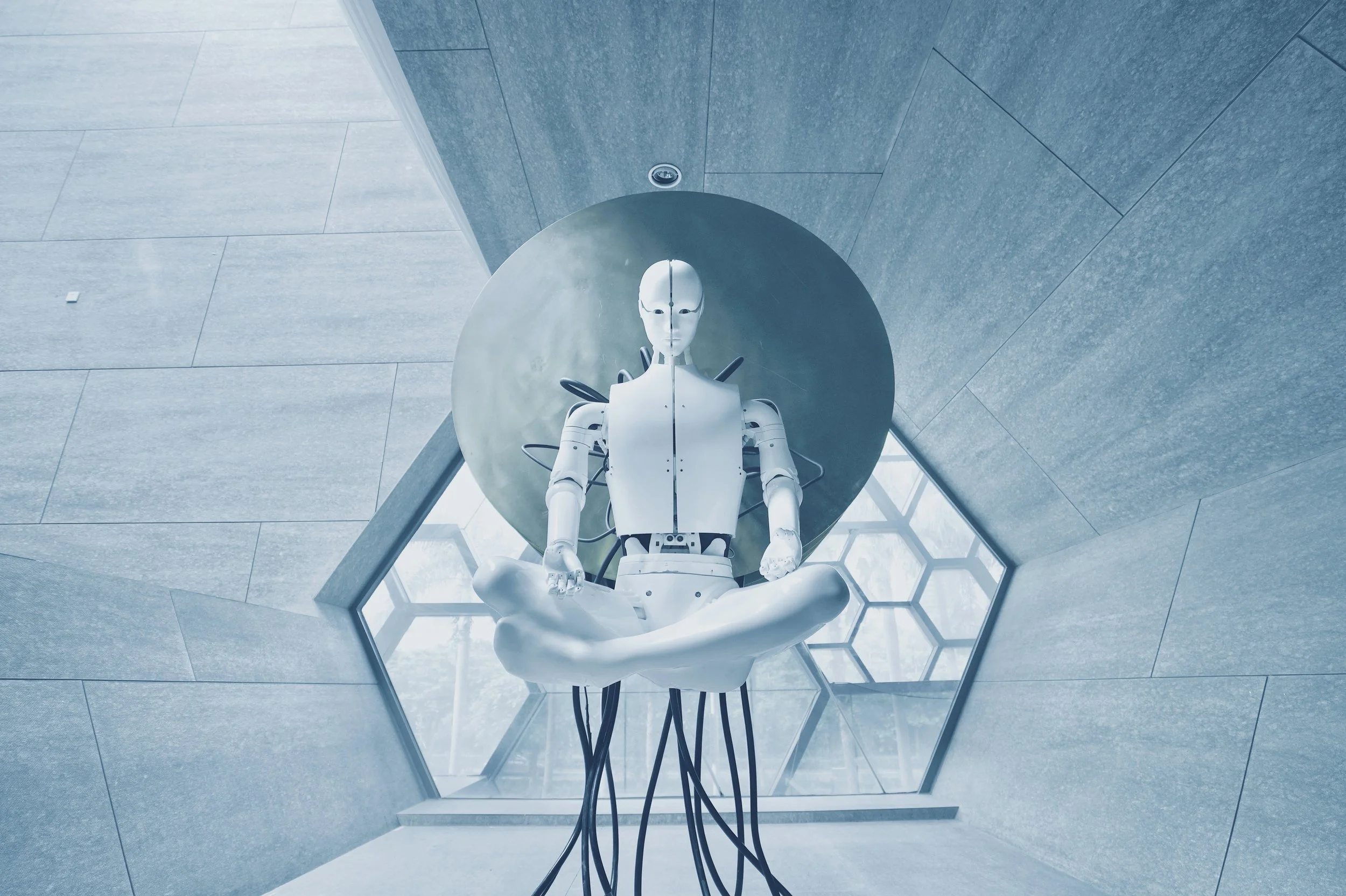
On the one hand it is arguable that there is no artistic skill involved in the creation of AI art. Anyone, including myself, could go into one of the AI art generators and create an image (Just like I did for the carousel in the beginning). However, there is another group that is relishing in the electronic art. Is it the artist’s skill in using tools that makes him an artist? Or is it the reaction of the audience to their work? Or perhaps is it both?
AI are already known to be using large datasets, in order to predict human behaviour, especially in social media. The data used, however, is human generated. Does AI generated art tell us more about the human experience than any individual artist could? After all, we only have our own experience to draw from, whereas the algorithm has the experience of many.