Bioluminescence: An Alternative to Street Lights?

Source: NASA
The composite image of Earth at night reveals a lot about our planet in surprising ways. In Egypt the Nile is highlighted due to civilisation flocking along the banks of the fertile river. Economic development discrepancy is most noticeable on the Korean peninsula, the South a beacon of light and the North covered in darkness. The lights seen above tell a lot of interesting stories, but they come at a significant cost. Around 6% of yearly global CO2 emissions come from street lights. Scientists are working on bioluminescent trees, with the hope of illuminating the night with plants, instead of street lights.

There are an estimated 304 million street lights currently in operation, expected to increase by 48 million by 2025. Throughout the World different types of lights are used to illuminate the streets and promote productivity. In recent times, many countries have increased their share of LED lights, since these are more efficient and durable. Climate Group proposes the widespread adoption of LED lights. These new lamps will not only save energy, but also cost less, the Climate Group claims that cities can save up to 70% on their energy bill by switching. LED lights are 75% more efficient and “last up to 25 times longer, than incandescent lighting”.

Before human intervention, the night’s sky was covered in stars and most of the light likely came from the Moon. Nonetheless, there are other unique ways that nature lights up at night. Bioluminescence is “light produced by a chemical reaction within a living organism”. Some examples include glow worms, fireflies and the plankton seen in the picture above called “Dinoflagellates”. The light is produced by a chemical reaction that occurs when molecules called “luciferins” oxidise. The reaction causes a burning that mostly releases light instead of heat. Scientists have been working with this natural reaction, aiming to create bioluminescent plants and trees, with the ambitious goal to replace street lights.

Source: inkoly//Getty Images
Scientists at MIT have tried to genetically engineer plants and trees, in order to grant them the powers of bioluminescence. In their exploits they have been able to make watercress emit light for a few hours. The light is too dim to read a book with, however the progress is intriguing. The researchers were able to use other plants and make them glow too. Larger plants like the “Thailand elephant ear” may be used for external lighting due to the size of the leaves. The process is far from reaching real-world applications. Sheila Kennedy, a professor of architecture at MIT notes that “Creating ambient light with the renewable chemical energy of living plants is a bold idea”, but it could alter the way we “think about living plants and electrical energy for lighting”.
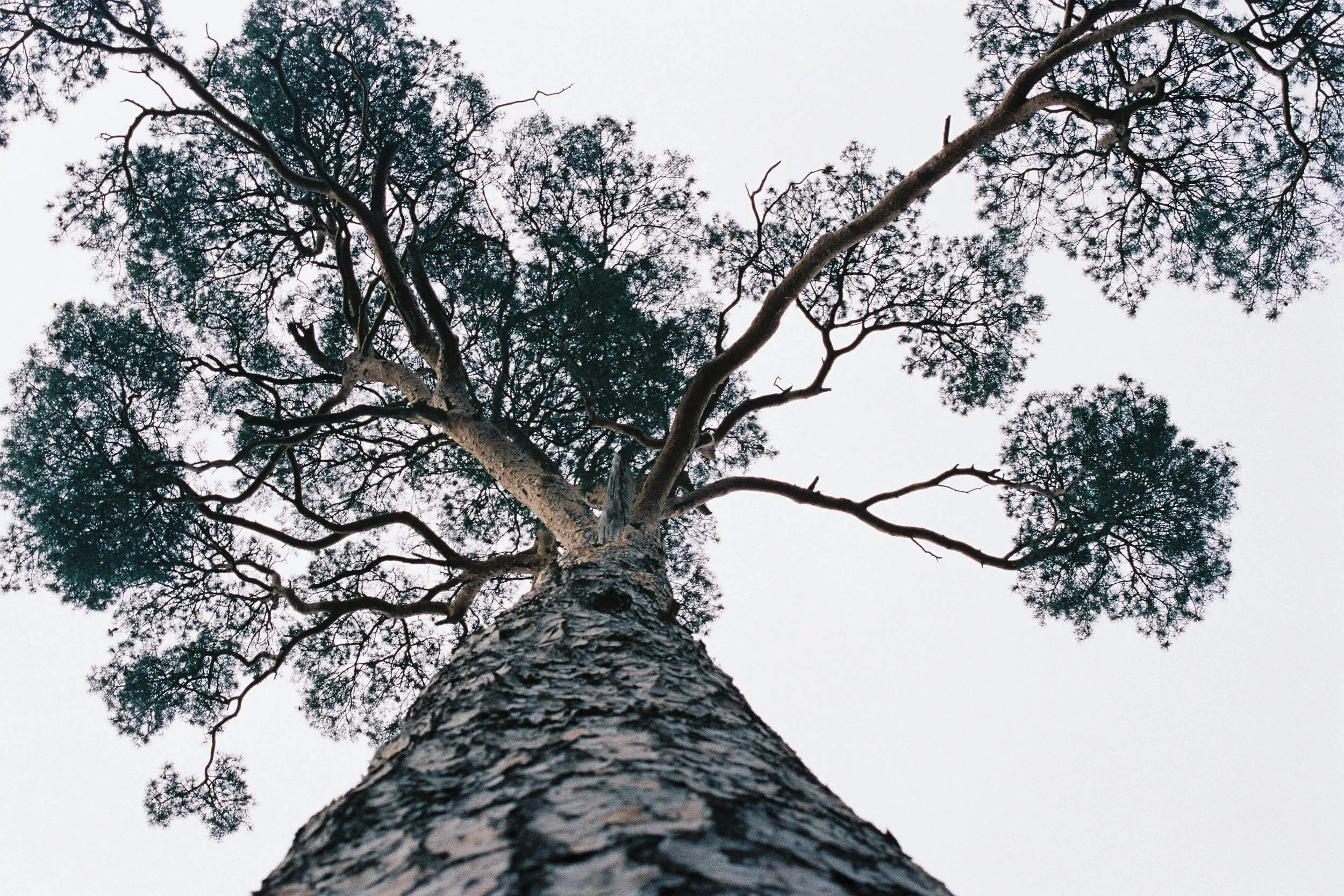
Following the news of bioluminescent plant research, an article on TheWeek reflected on the dangers of genetically engineering plants and their potential damage on the ecosystem. The pollen travelling from the plants travels extremely far, potentially contaminating undesirable locations with mutant genes. Furthermore, animals may suffer from a dislodged internal clock, due to unnatural amounts of light, this is already a side effect of current street lighting. It seems like the bioluminescent plant experiment will have many hoops to leap through. For now, citizens around the globe may be better off focusing on increasing LED lights in their homes and advocating for the same practice in the public sphere.