Technological Symbiosis: Neuralink
Technology is a broad term defined as “the application of scientific knowledge for practical purposes” according to Google. Technology is not necessarily modern or exclusively human. Many animals are known to use technology to achieve their goals. The coconut octopus uses coconut shells or clams as a shield, crawling inside the hollow enclosures. Elephants are known to craft sticks by cutting them to perfect lengths for swatting away mosquitoes. Most primates use tools, similarly to early humans, to break open shells or reach food in far places. On Wednesday the World was shown the rare sight of a primate using a technology that has not been used by humans before: Neuralink.
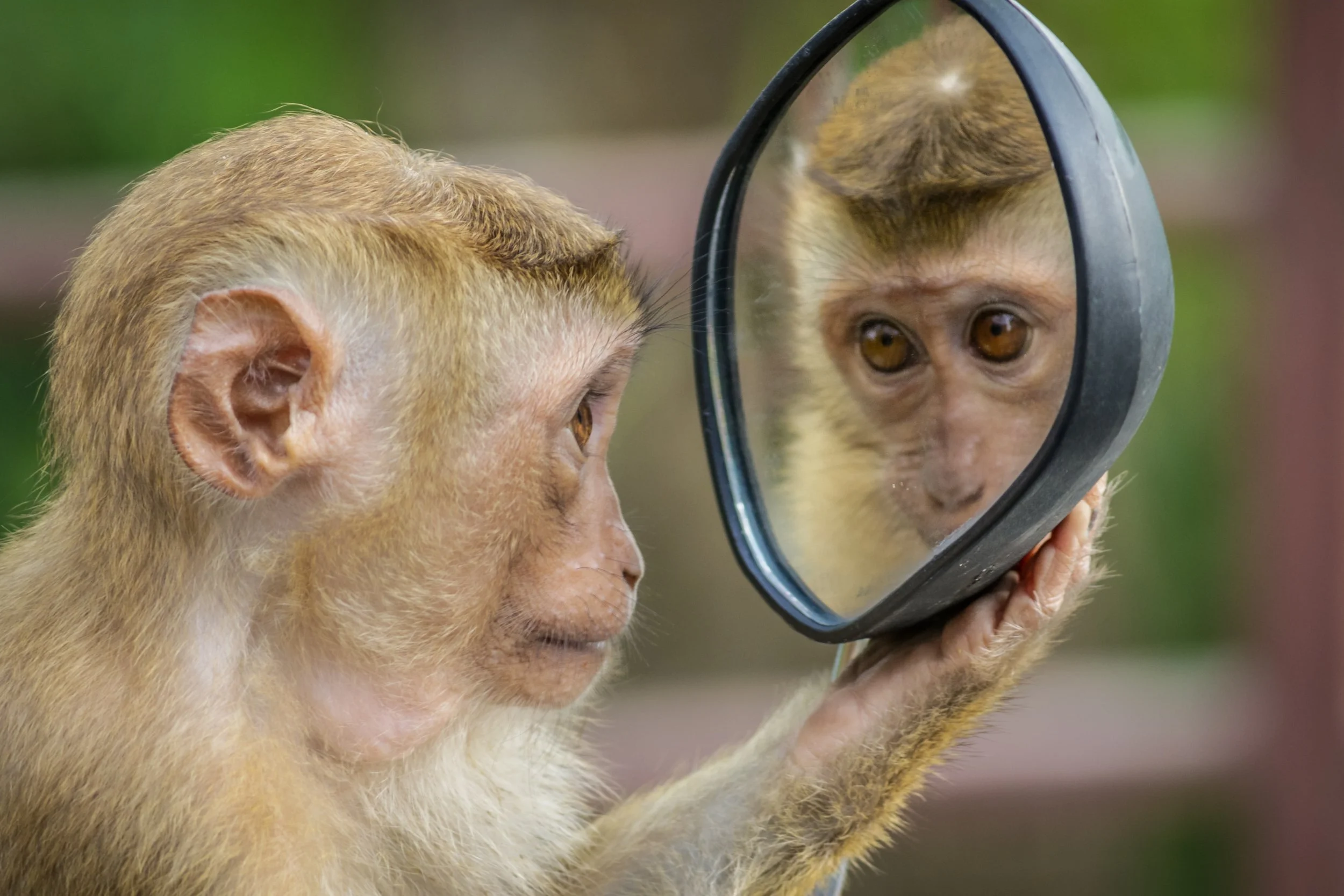
Neuralink is a device that is currently being developed and aims to create a direct connection to the human brain. In the presentation some of the features of the product were demonstrated, using chimps. The company’s co-founder, Elon Musk, shows a video of a monkey controlling a keyboard on a screen. The monkey was trained to type a certain sequence of letters to get some food. Although the animal did not learn language, it did perform an action that humans have not. The chimp was directing its attention to the letters on the screen, thereby controlling the keyboard with its mind, instead of its limbs. A video of the demonstration can be seen here.
The company’s products are still only tested in animals and their functionalities are expected to remain limited in the near future, however, human trials are forecast to start in 6 months.
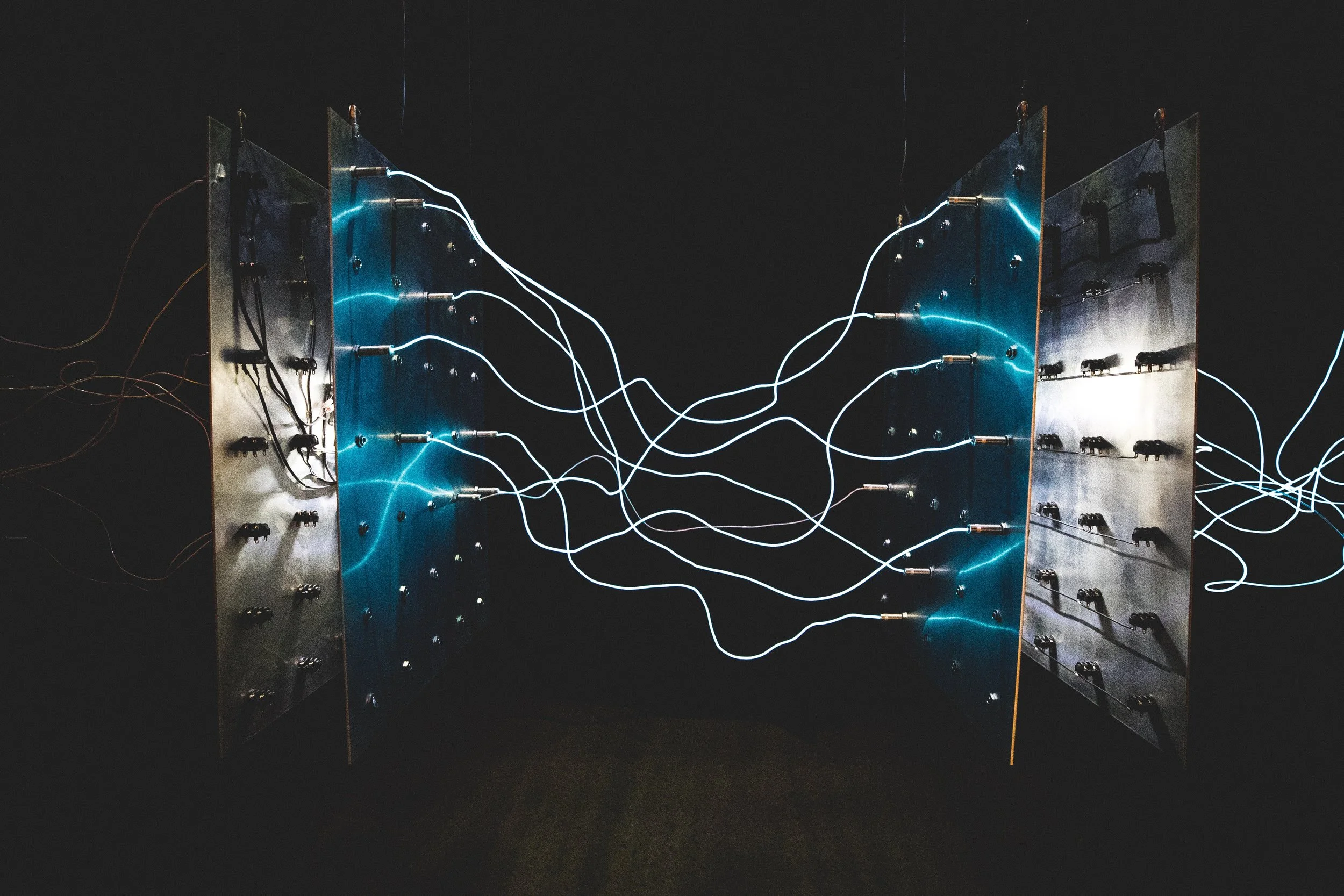
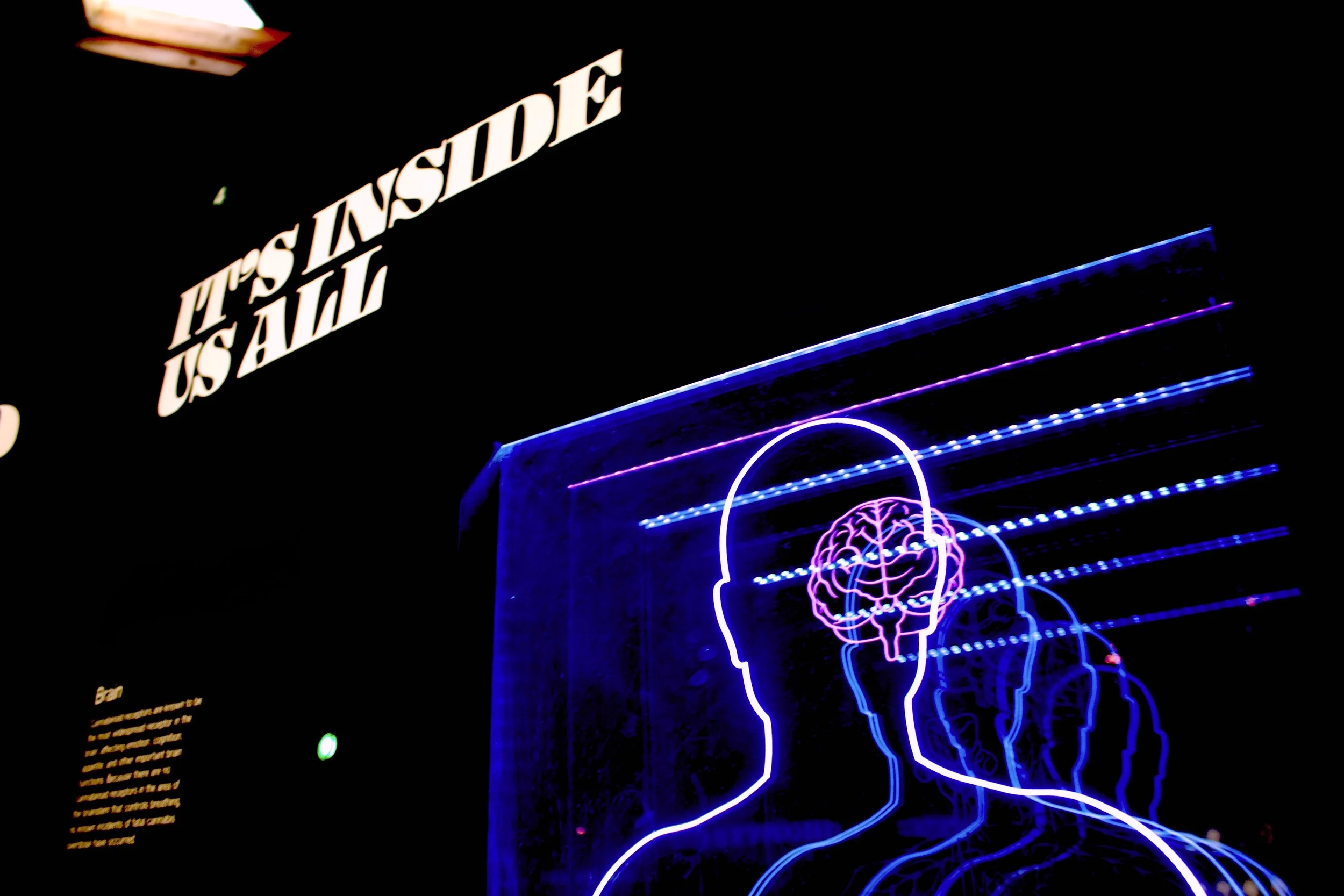
The device is the size of a coin and would be implanted in the skull, under the skin. It functions by plugging into the right parts of the brain and sending electrical impulses to stimulate specific nerve endings. In the presentation, the company displayed a robot that was created to safely insert the pins into the right sections of a moving brain, avoiding blood vessels with great precision. Some of the early expectations show an incredible feat of human endeavour, if successful. The company demonstrates the use of Neuralink to contract certain muscle groups in animals. The claim is that humans affected by paralysis may be able to regain motion control, by having electrical impulses from the Neuralink device into the right neural networks. Musk continues to talk about the potential to restore vision as well, even in people who were born without it.

There are many kinds of symbiosis in nature, where two organisms interact or arrange themselves in close proximity, having a positive or negative effect on one another. Bees and flowers have a positive relationship, exchanging pollination for nutrition. However, there are also many negative relationships, defined as parasitic. Although Neuralink is not a living organism, there is some concern with such a close proximity between man and machine. At the moment it is still possible to put one’s phone away or to turn it off. However, with a device plugged into one’s brain, it is hard to imagine a limit to what could happen. Imagine being plugged into the internet directly from the brain. Humankind is not likely to be adapted to such immense capabilities. The smartphone already had a significant impact on our society, perhaps it is important to take caution, before embarking on such a revolutionary journey.