Can Hydrogen Aviation take over?
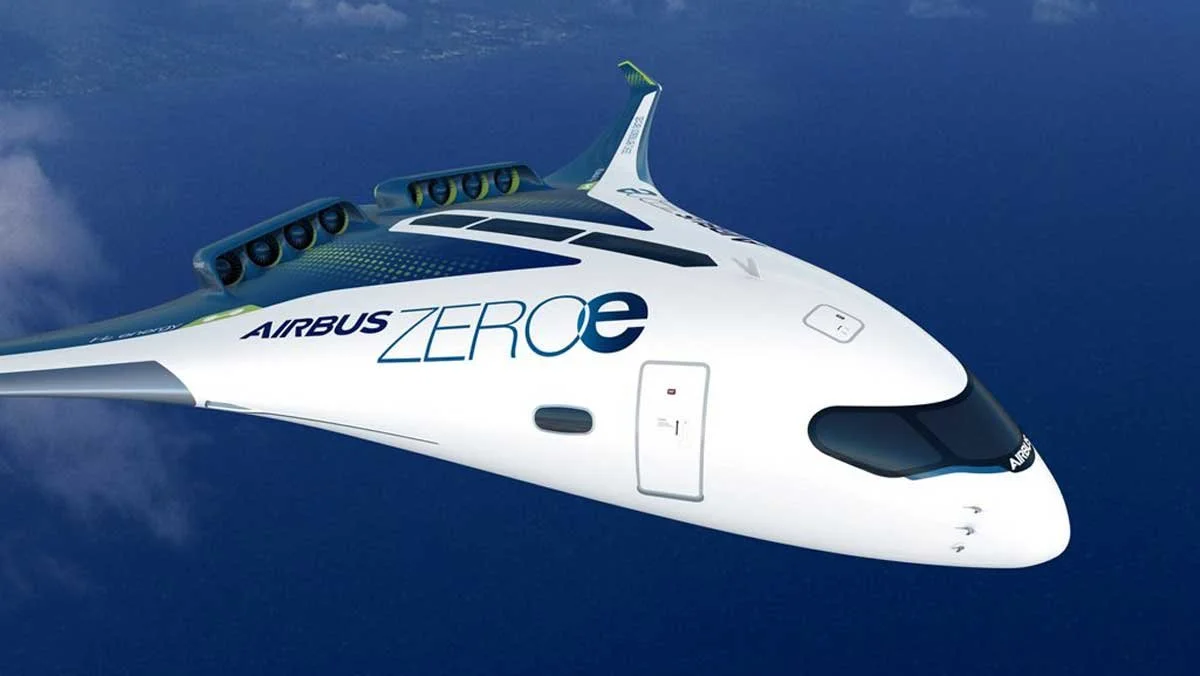
Source: Airbus
The online world was stunned this year, when a teenager tracking celebrity private jets exposed extremely short flightpaths with high emissions. Some notable examples include the 10 minute flight from Henderson NV to Las Vegas NV, a 20 minute car journey, flown by Floyd Mayweather. Another big name on the list is Kylie Jenner, flying across Los Angeles for 17 minutes to avoid traffic. In the current climate of sustainability and net zero short-haul flights have come under scrutiny, not only at the private level, but also at national level. France banned short-haul flights earlier in 2022, if a bus or train could take less than two and a half hours for the same journey. The aviation industry is hard at work to fight emissions and remain competitive. Airbus is working on concepts, like the one seen in the picture above, using hydrogen as its fuel.

Hydrogen as a source of energy is growing in a variety of different sectors. Many manufacturers like Toyota and Hyundai are currently offering hydrogen fuelled cars. Hydrogen gas is around us and is the most common element in the universe, it is also very abundant on Earth within other elements. It provides a unique alternative to electric modes of transportation that may be particularly well-suited for the aviation industry.
Students from Delft University in the Netherlands trialled a hydrogen prototype plane, in reduced size, and succeeded in a short 5 minute test-flight back in 2020. Since then many companies have been involved in prototyping a possible future in aviation.
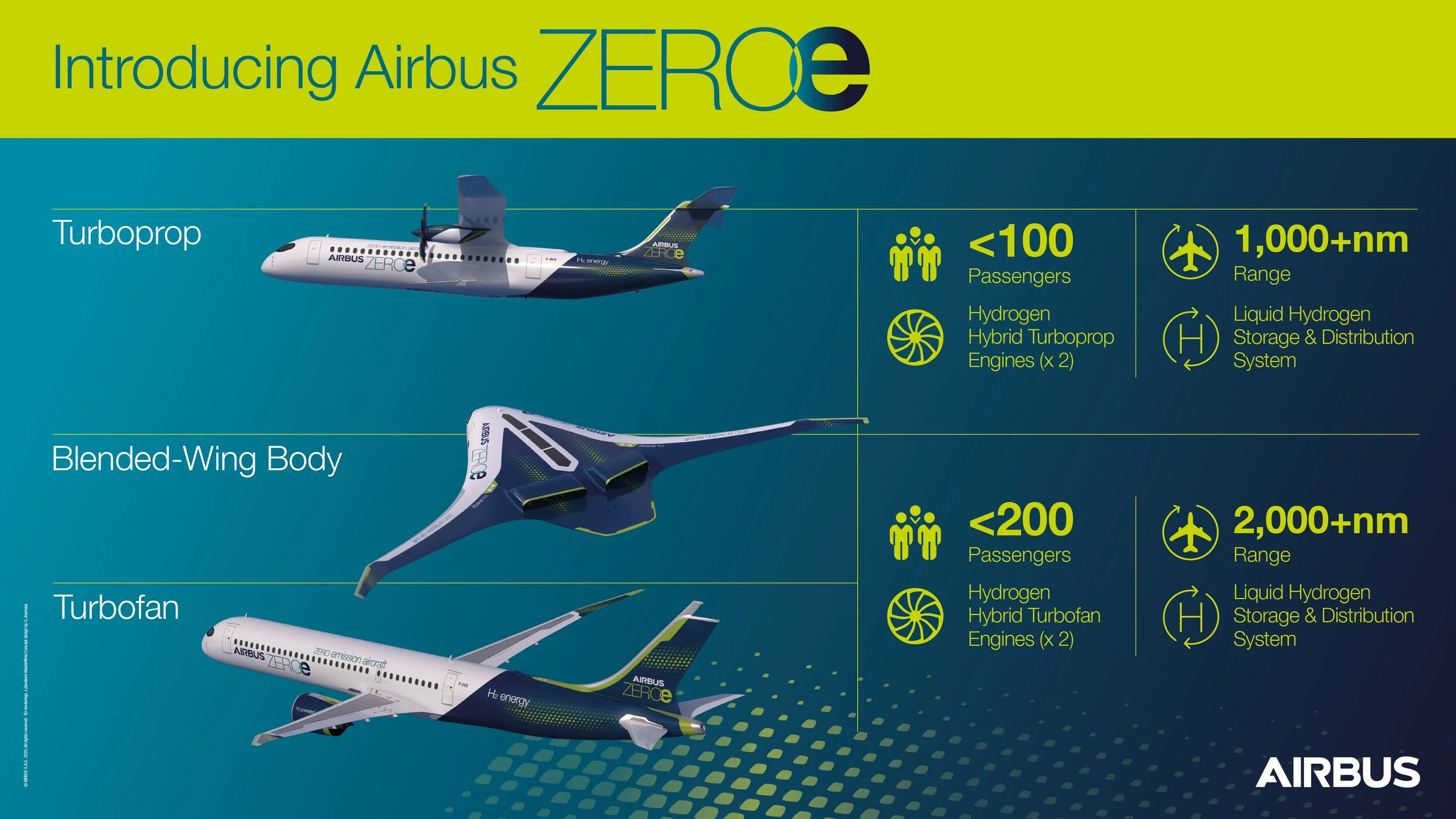
Source: Airbus
Boeing and Airbus are the world’s largest airplane manufacturers and the latter is developing concepts for their ZeroE project, which aims to fly with zero emissions. On their website they claim that they “expect to achieve a mature technology readiness level for a hydrogen-combustion propulsion system by 2025”. However, with all the safety measures necessary within the aviation industry, it is unlikely we will see any concepts grace the skies before 2035.
There are other bottlenecks still to be resolved, some of these are shared in the automotive industry too. These bottlenecks are to do with the infrastructure required.
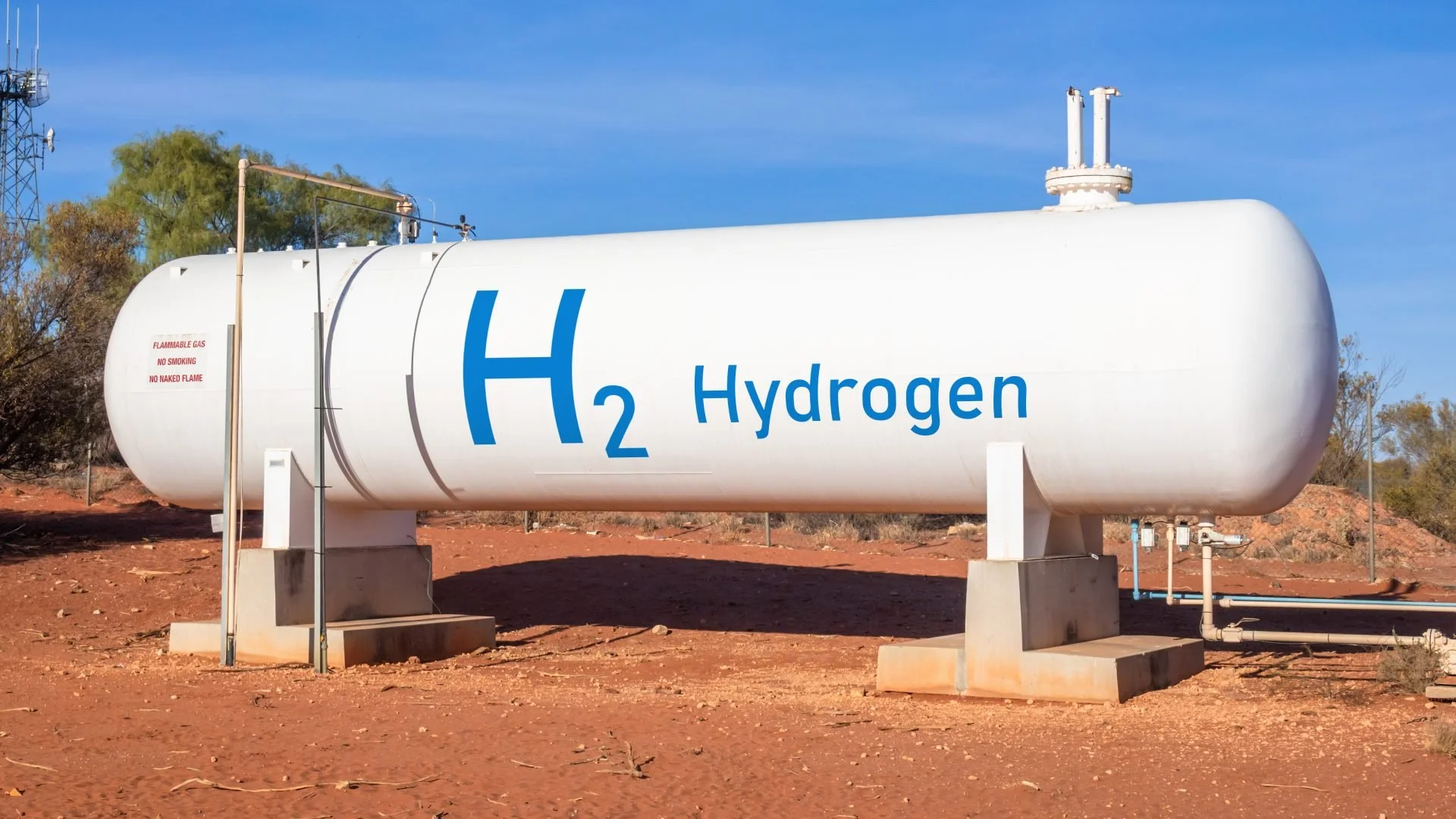
Source: Transport & Environment
Hydrogen production, transportation and storage are costly affairs that concern the wider aviation industry. Individual companies can work on the designs for planes and internal fuel storage, but will struggle to contribute to the larger infrastructure, without help from larger outside bodies. It remains to be seen whether large organisations, companies and governments can come together to create a hydrogen ecosystem to make zero emission aviation possible. The sooner we start working on innovative solutions together, the smoother the process and the higher likeliness of success. These words are echoed by the head of operations for technology at Airbus, Mark Bentall, in an interview with BBC: “One of the reasons why we brought ZeroE to public attention early was because we need to work as an ecosystem to make it happen”.