Take a Walk on the Dark Side
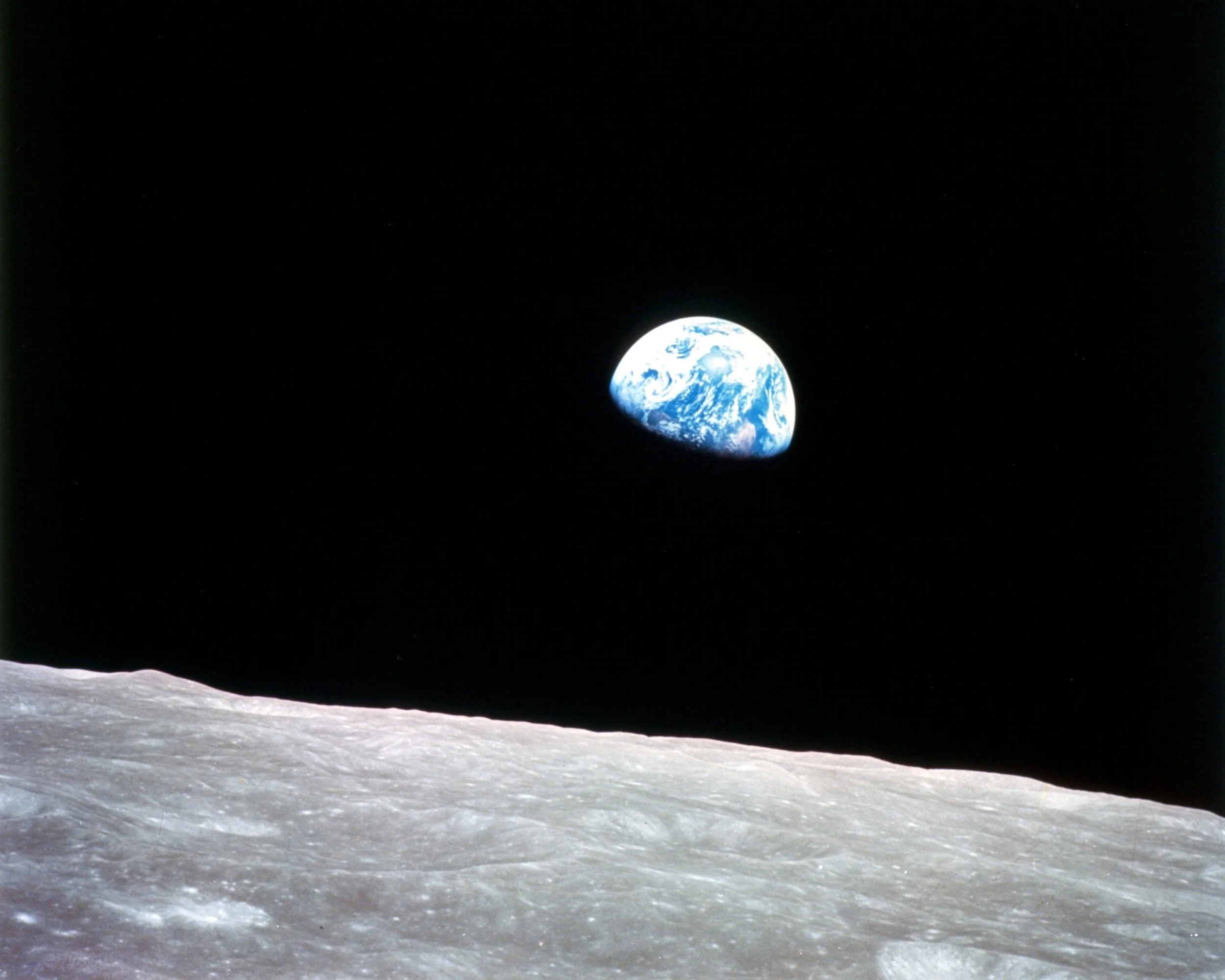
In the summer of 1969, the world watched as astronauts from the Apollo 11 laid foot on the Moon. The first humans to walk on the white pearl that circles our skies and captured the iconic image named “Earthrise”. Since the Moon revolves around itself at the same time that it revolves around Earth, we had not been able to see the so-called “Dark Side” of the moon. The first picture of that side was taken by a Soviet probe in 1959, which circled around the back of the Moon to capture a fuzzy shot. It took almost exactly 60 years before the first landing on the dark side of the Moon took place, discovering a new mineral that could change life on earth and re-vitalise the space race.
In 2019 the Chinese spacecraft Chang’e-4 made history as it completed the treacherous feat of landing on the dark side of the Moon. One might think it is hard to land on the dark side due to the lack of light, however, it is mostly due to the fact that direct communication with earth is impossible, since the Moon is shielding Earth’s radio signals. The dark side of the Moon is, in fact, no darker than the other side, it is merely invisible to us from Earth.
From this journey, the Chinese have brought back the first picture of the dark side of the moon, captured from the surface. In addition, it laid the pre-cursor for further expedition on behalf of the Middle Kingdom. In the midst of the Covid-19 pandemic, China launched another spacecraft, Chang’e-5, to the Moon and brought back a promising mineral discovery.
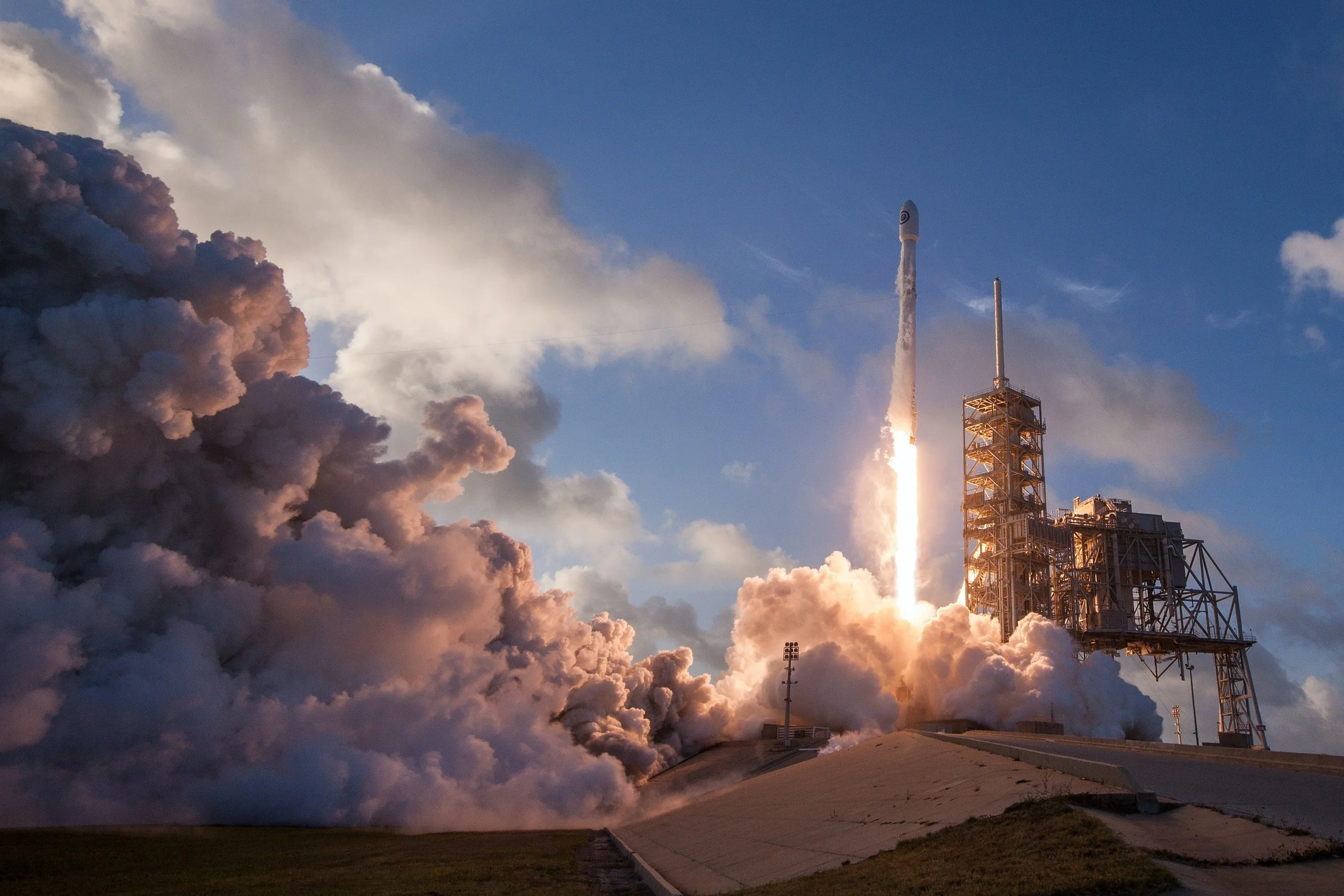
The mission brought back 2kg of material samples from the Moon. In these samples there was a discovery of a new mineral named Changesite-(Y), after the Chang’e, the Moon goddess in Chinese mythology. The material is only the 6th mineral discovered on the Moon and the 1st Chinese discovery out of those six. The material is said to be a phosphate mineral with special characteristics. It contains helium-3 which offers potential for a new energy source back on Earth.
Current nuclear fusion trials use hydrogen isotopes in reactions, however, they waste energy and are less stable. Helium-3 is an alternative that is expected to provide much better results in search of replacing nuclear fission with fusion. The element is very rare on earth, however, meaning a Lunar mine could be lucrative.
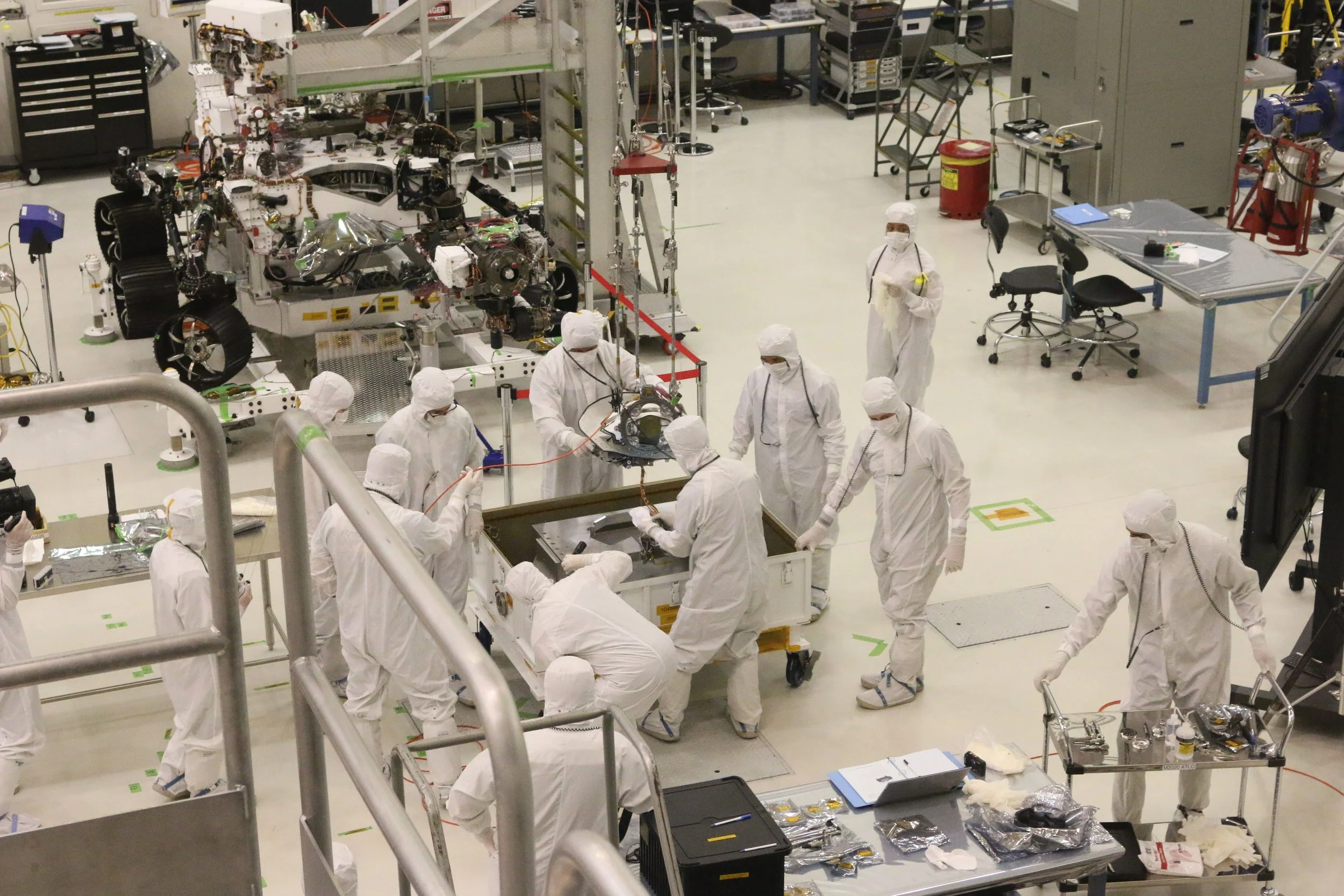
The Chinese are planning to send more missions to the Moon for mining purposes and have plans to create a Lunar based space station. The United States, among others, expressed interested in joining the race to mine on the Moon. This new era of space exploration is unravelling rapidly and forces us to consider complicated questions. Who owns the Moon? How much Moon can one own? Who decides who owns the Moon? Should anyone own any of the Moon?
Scientists working on potential settlements on the Moon are convinced that the future of Lunar settlements resembles the colonisation of the New World by Europeans centuries ago. Will we learn from the mistakes of our past and be able to contend with the previous questions in dignity and honour? Or will the flags, languages and other Earthly characteristics divide us in space too?