The Advancements in Nuclear Power
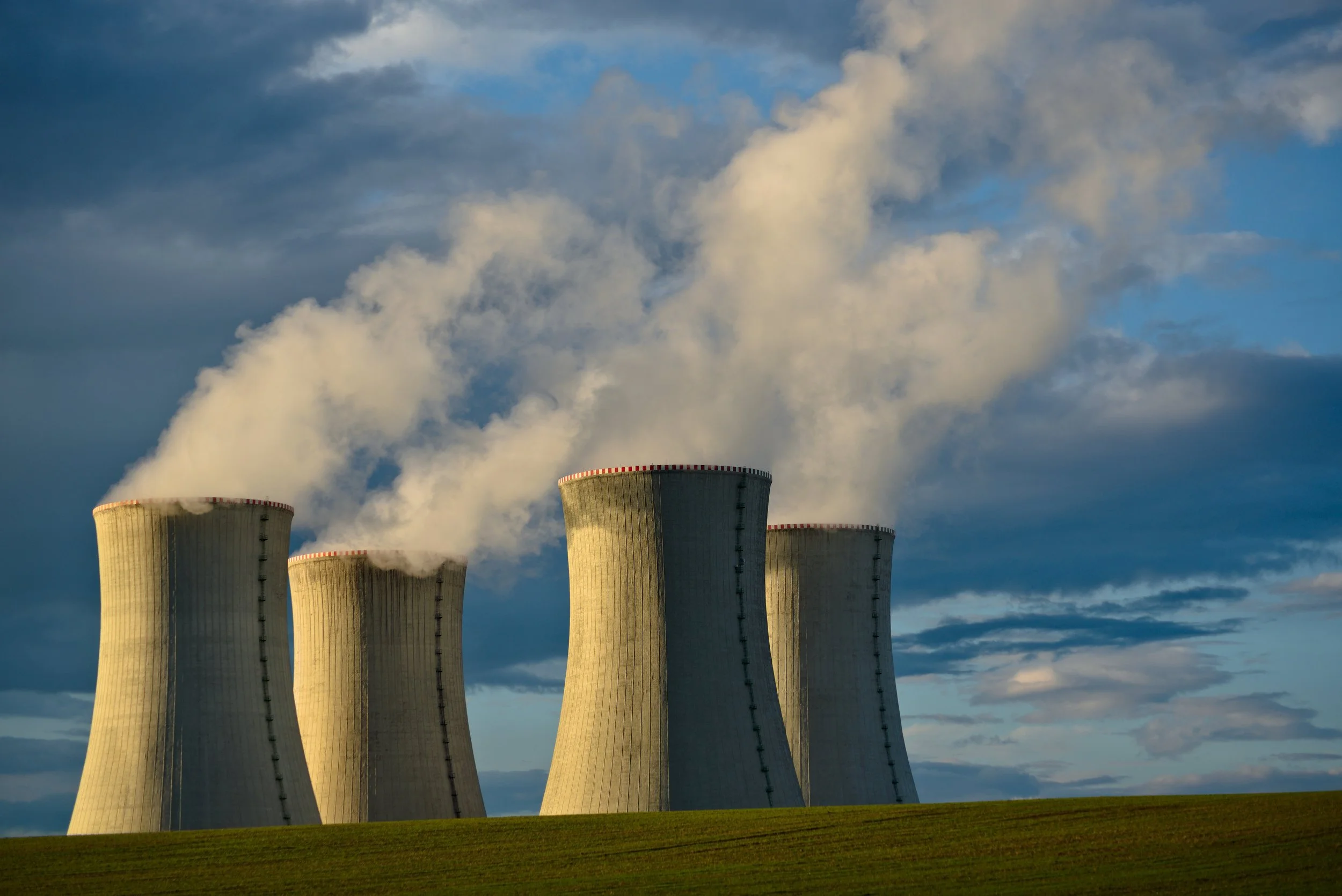
Nuclear power production is back on the table for many countries, since climate change has made it a priority to shift away from fossil fuels. The word nuclear still creates a knee-jerk reaction for many people, especially those witnessing a nuclear disaster. Chernobyl in 1986 and Fukushima in 2011 are the two most notable instances in recent history, scarring the memory of those who were witness. The grotesque nature of these disasters and their portrayal, has caused a lot of people to fear and oppose nuclear power. Nuclear power seems to be making a comeback, scientific research combined with newer nuclear technology make a compelling case for the renewable energy source.
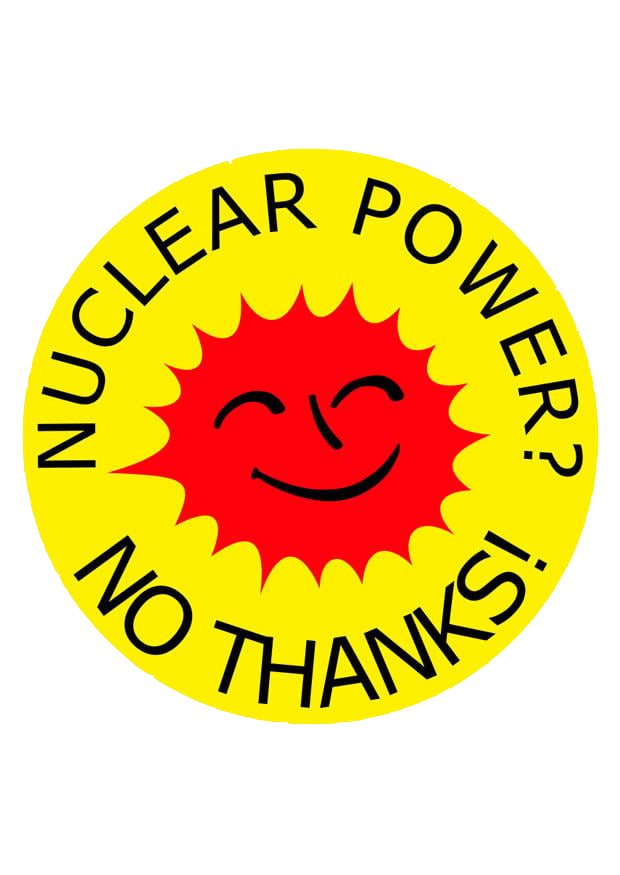
Source: Edupics.com
The famous sticker above was popularised in the later half of the 20th century, with activists creating an iconic image that travelled the world. The biggest fear was the effect of radiation caused by nuclear waste from reactions, as well as radiation in the event of calamity. Nonetheless, new reports show that the predictions of scientists at the time, grossly overestimated the damages of the nuclear fallout. A UN Report points out that less than 50 people working at Chernobyl died due to acute radiation. Furthermore, the impact of radiation on neighbouring countries was quoted to be minimal. Finally, it is mentioned that “there is no clearly demonstrated increase in the incidence of solid cancers or leukaemia due to radiation in the most affected populations”. The most significant health damage seen is the incidence of thyroid cancer. The report goes on to note that the thyroid cancer is most prevalent in “those who were children at the time and drank milk with high levels of radioactive iodine”. Suggesting that a large number of these deaths could have been avoided if the children had been provided different alimentation.
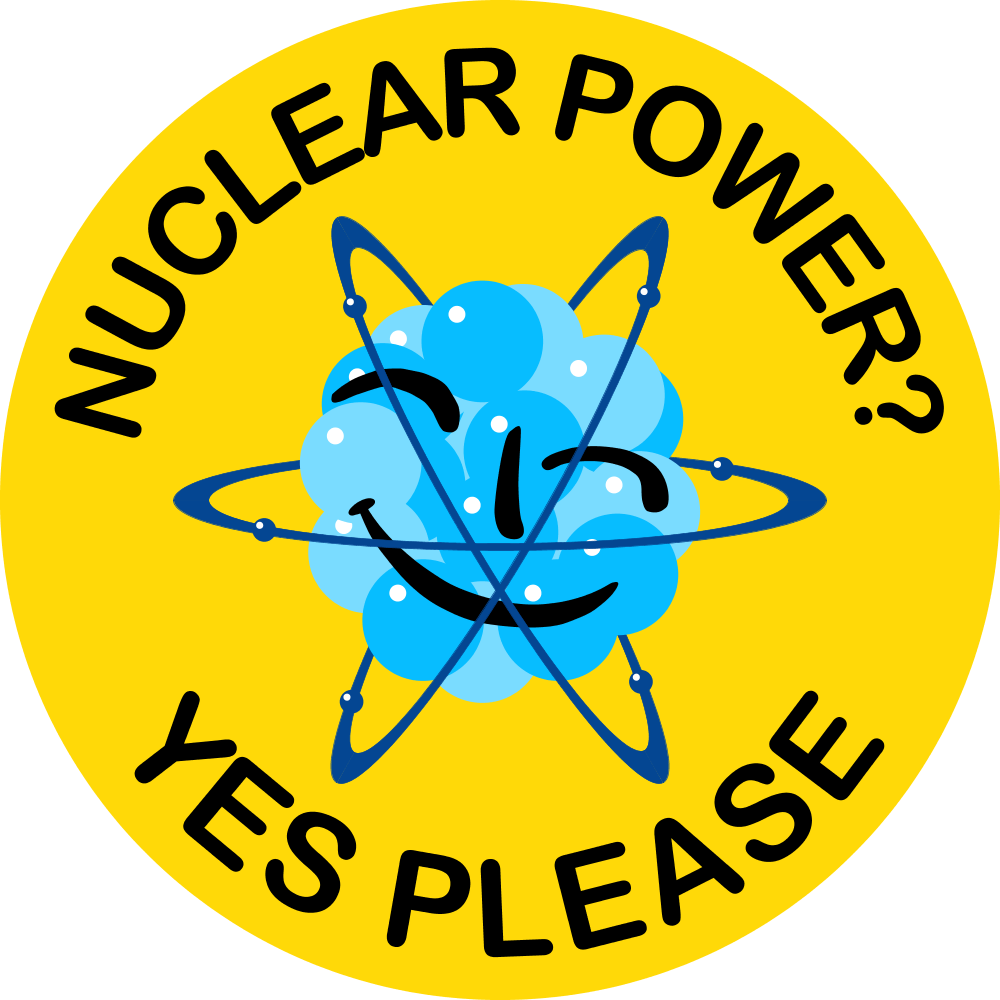
Source: NuclearPowerYesPlease.org
A new movement, backed by environmental activists and scientists, has risen to oppose the previous cry for removal of nuclear power. The members of this community recognise the dangers of nuclear power, as well as their low impact compared with current mainstream energy production. If we include the deaths of thyroid cancer with the 46 worker deaths at Chernobyl, that leaves a total of around 4000 deaths due to one of the largest nuclear events in history. If we compare fossil fuel power production, air pollution alone is responsible for 8.7 million deaths per year. These deaths are more indirect and are perhaps less easy to notice than direct accidents. The World Nuclear Association claims, however, that nuclear does not rank first in direct deaths from accidents either; with hydroelectric taking the top spot. The official figure for the death toll of the rupture of the Banqiao dam in China is 171,000.
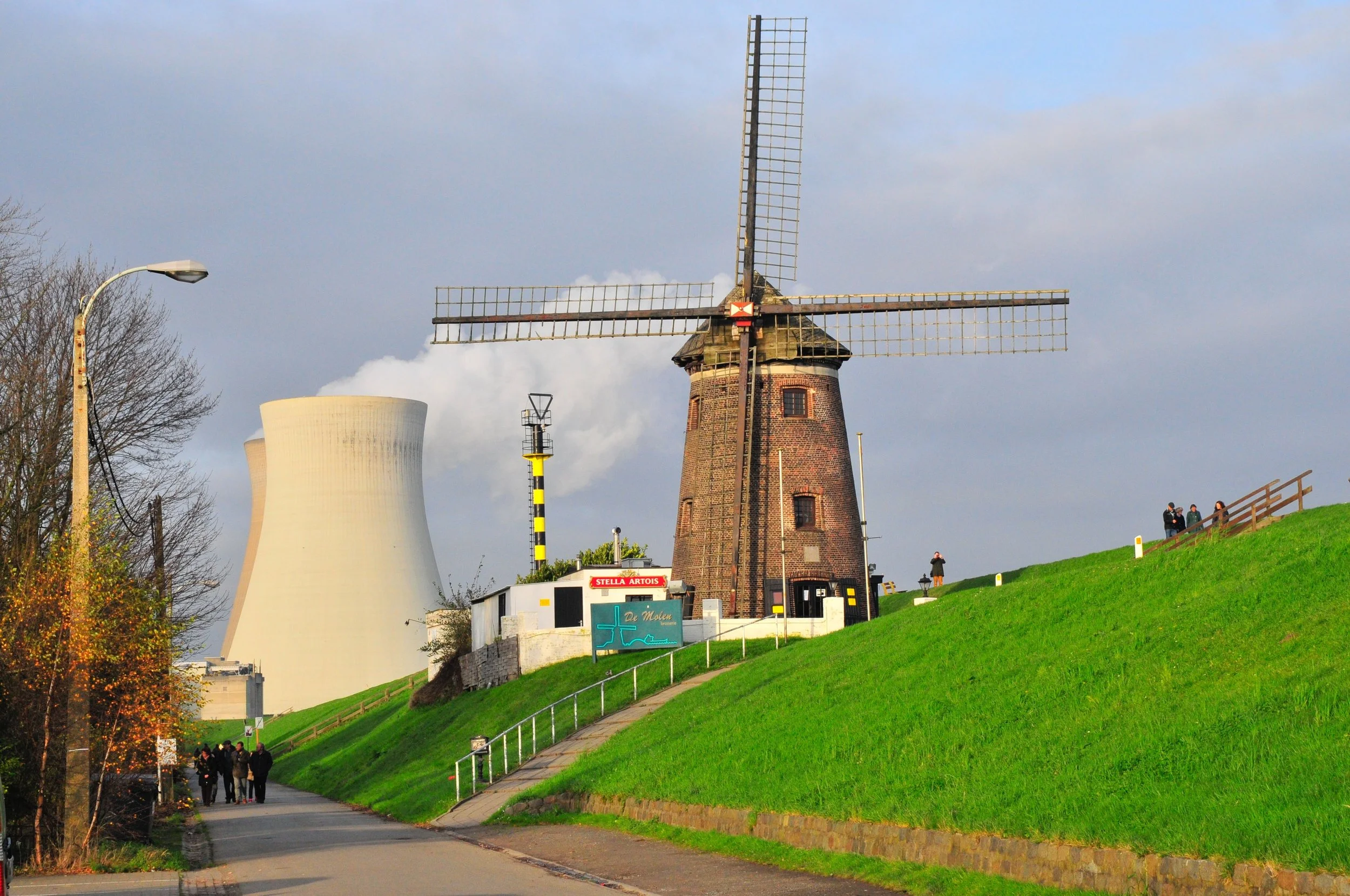
Considering the realities of nuclear power perhaps one could envisage a hybrid model of renewable energy, including both nuclear and other forms of renewable power generation. France has been using nuclear power for a majority of its total consumption, whilst being “the world's largest net exporter of electricity due to its very low cost of generation, and gains over €3 billion per year from this”. The latest developments in Nuclear technology increase the safety and reduce the cost and time barriers to increasing nuclear power generation. Nuclear power plants cost billions of dollars and take over 5 years to construct. The need for more renewable energy and energy independence is strong in countries around the World. Nuclear seems like the best way forward in the transitional period and beyond. Handled with care and scientific backing, it could improve lives.