The 2022 World Cup: Unity Against Controversy
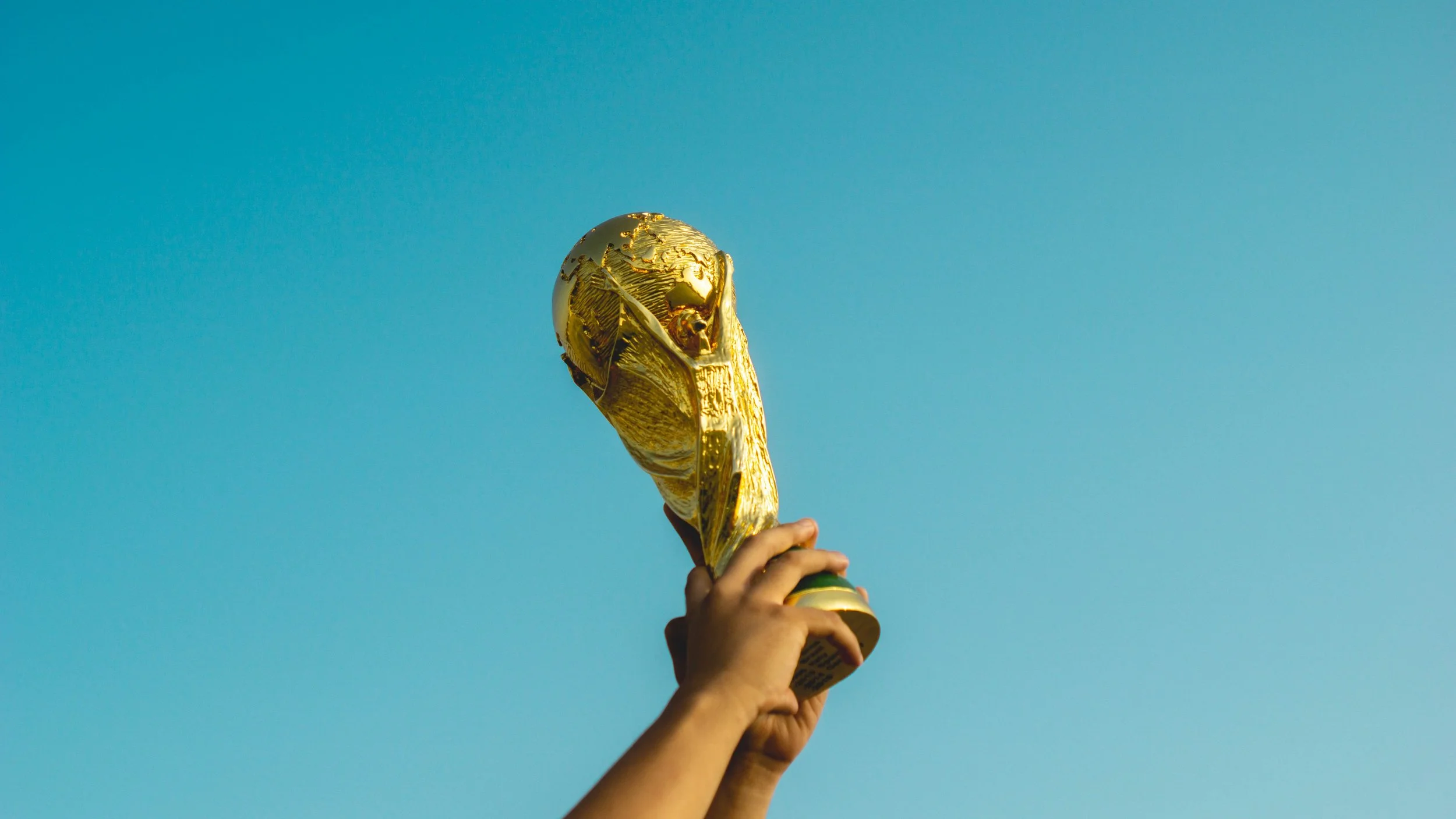
Since the first rumours of a World Cup in Qatar more than a decade ago, the current host faced a mixture of skepticism and criticism from the world. How a country with very little infrastructure for football, in the middle of the desert, could host a World Cup was inconceivable. The most expensive World Cup in history has dawned upon us, 12 years after Qatar won the right to host the prestigious event. The tournament being played in the cooler months of the year, still requiring air conditioning in stadiums and $220 billon in infrastructure investments. The tournament lacks the familiar feeling of a World Cup, being played against the backdrop of migrant worker deaths, human rights abuses and a lack of freedom of expression. The 2022 World Cup is likely the most politicised World Cup to date, shaping our dialogue and vision for a better future.
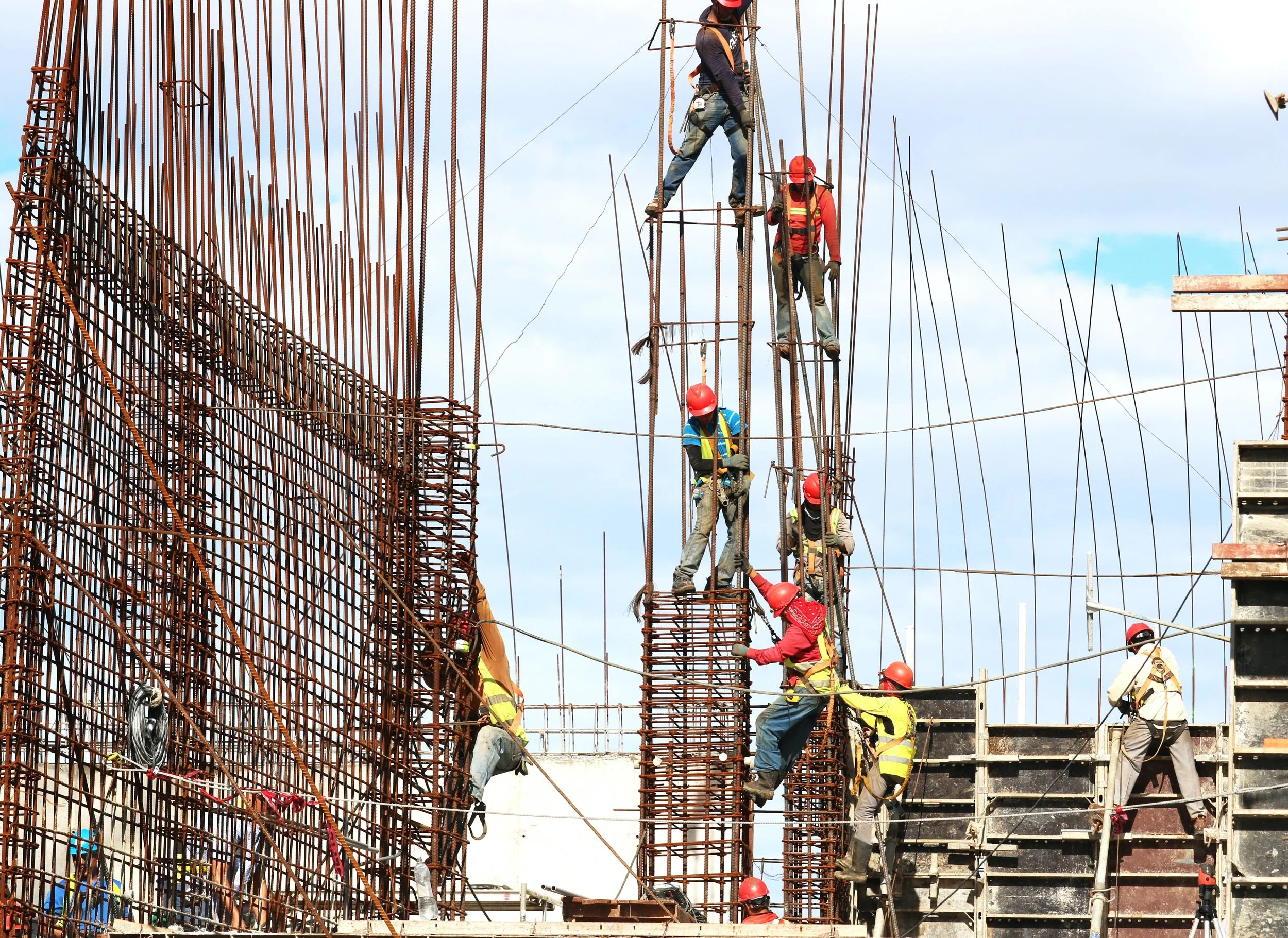
According to Amnesty International more than 90% of Qatar’s workforce comes from migrant workers, who pay between $500-$4.300 to be recruited from their home countries. During the construction of the necessary infrastructure for this year’s World Cup, many of the workers’ labour rights were grossly undermined, according to the same report. Salary lies, salary delays and appalling living conditions were cited alongside restrictions in freedom, including: not being able to leave work sites, not being able to leave the country or change occupation. All this sums up to threatened and forced labour. Amnesty International has asked FIFA for $440 million in compensation for migrant workers and families, in an attempt to soften irreparable damages. It is particularly challenging for the event, usually surrounded by positivity and togetherness, to enjoy the same atmosphere on behalf of everyone watching from abroad.
Aside from the despicable practices that led to the construction of the seven newly built stadiums and other infrastructure, the human rights in the country itself are also under heavy fire. Freedom of expression, as well as, minority and women’s rights are not protected in the small gulf state. Some Western national teams tried to wear the “One Love” captain armband, in support of the LGBTQ+ community, but were warned that sporting consequences would follow. This led the English and Dutch national teams, among others, to opt out of this initiative. However, the voices of unity and respect are proving to be hard to shut-out.
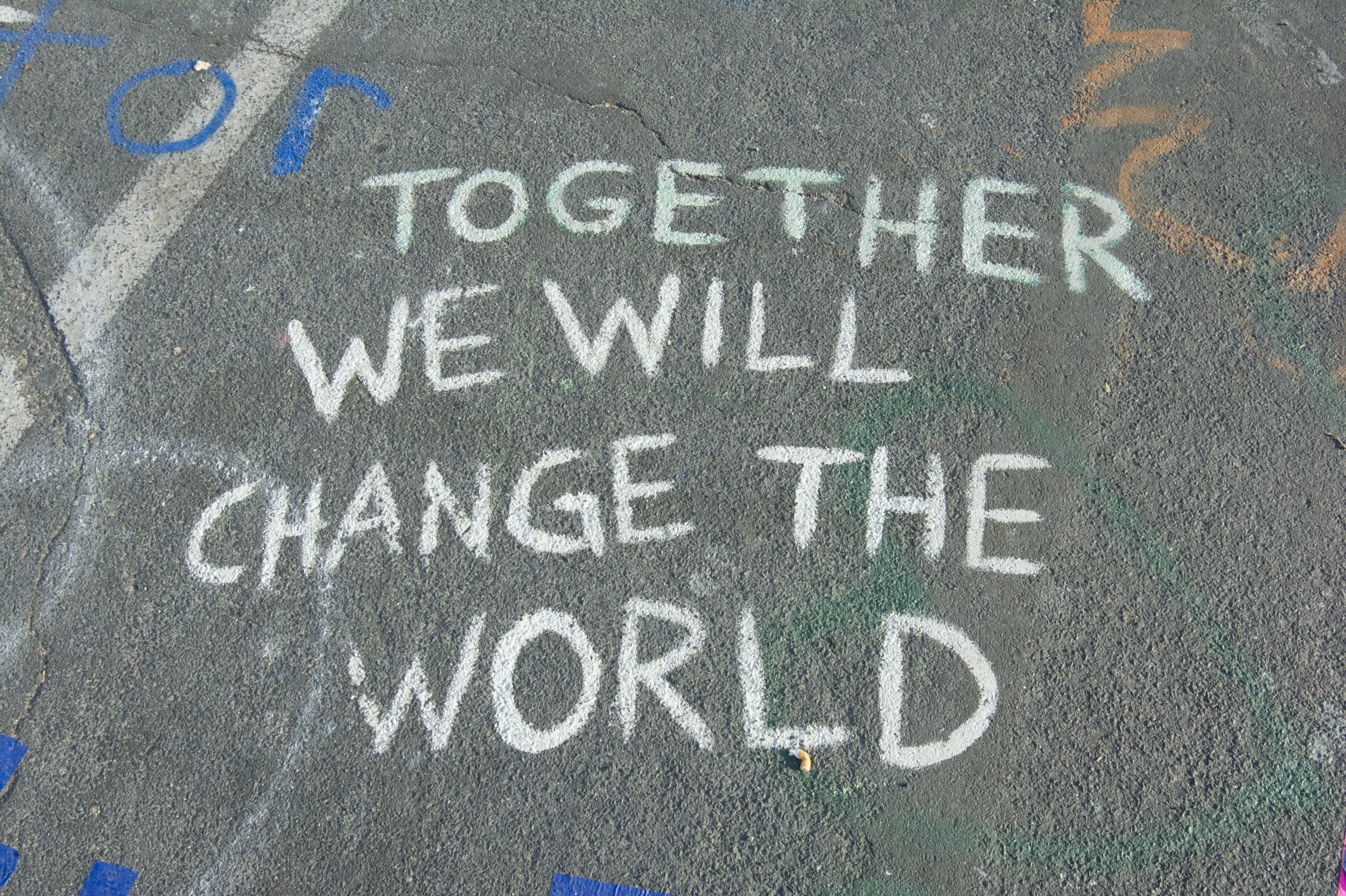
It is remarkable to see the World come together in condemning the injustices that are ongoing. No leaders of major Western countries were present at the opening ceremony, before the game between Qatar and Ecuador. The English broadcast of the game opted to boycott the opening ceremony, instead hosting a conversation on human rights during the show. Similarly, the Netherlands’ national broadcast service also opted out of partaking in the festivities. The boycott is not limited to media. DW reports that many bars in Germany have boycotted the World Cup, not showing any football games in a sign of resistance. The opening ceremony was also boycotted by celebrities, Dua Lipa was rumoured to perform until speaking out stating: “I will not be performing and nor have I ever been involved in any negotiation to perform. I will be cheering England on from afar. I look forward to visiting Qatar when it has fulfilled all the human rights pledges it made when it won the right to host the World Cup”.
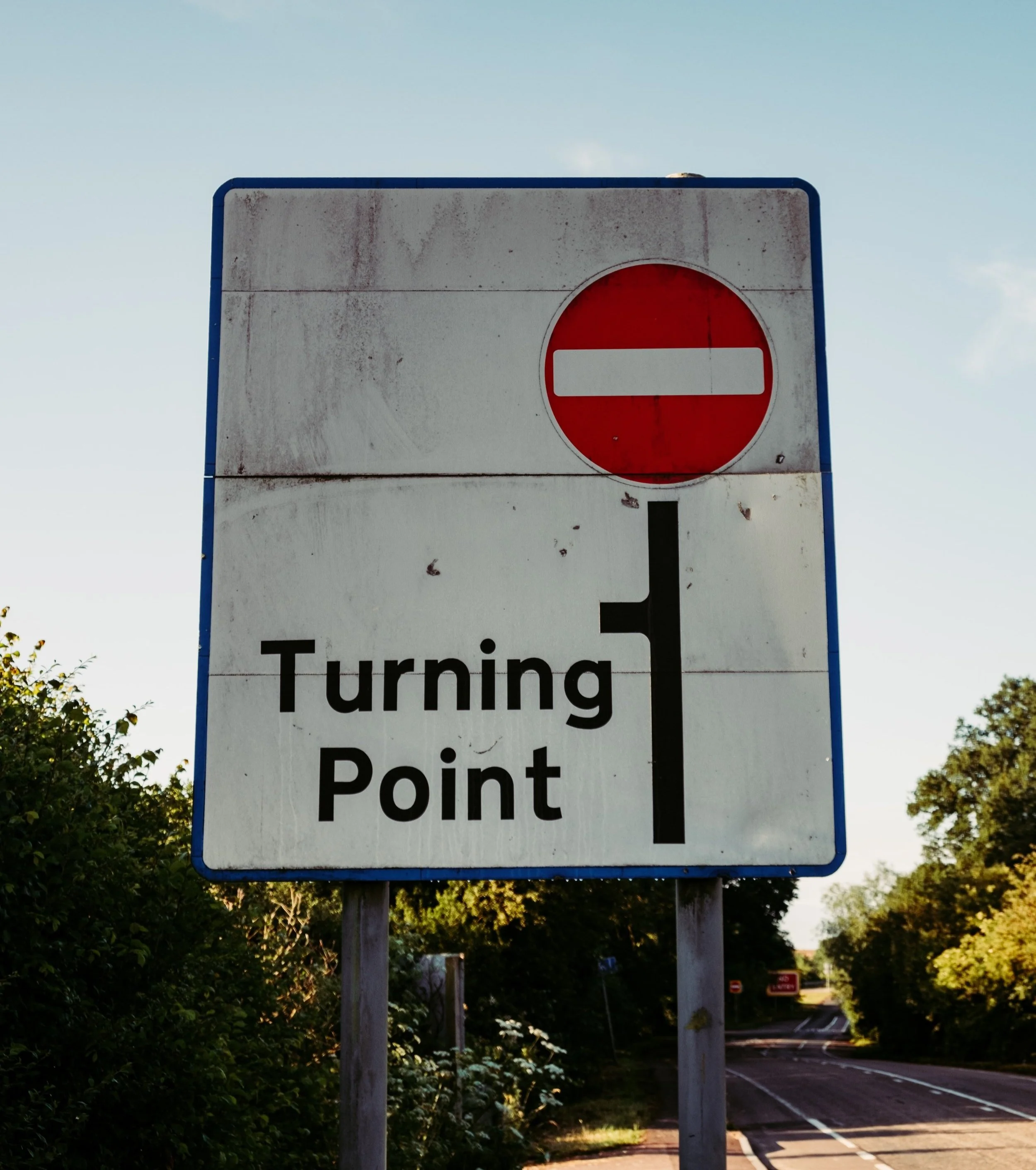
It is hard to take a positive from all the negativity surrounding the 2022 World Cup. Nonetheless, the togetherness shown in defiance of injustice is inspiring and must lead to a better way forward, not only in sport and not only in Qatar. One would hope that FIFA learns from this event and places more importance on human rights in future events. In the meantime the next generation, watching their first World Cup, will learn from a very young age the importance of respect, unity and human rights, whilst watching the beautiful game.